

America’s electric-car challenge looks very different depending on which driveway you start from. Drivers who already own an EV largely want another one. Among those still driving gasoline or diesel vehicles, however, relatively few see an electric car as their next purchase—even as the charging network grows and existing users rate it more highly.
That divide puts a practical question in front of carmakers: how do you convince someone to change their driving routine when improvements to the ownership experience have yet to win them over?
Winning the Next Buyer Is the Hard Part
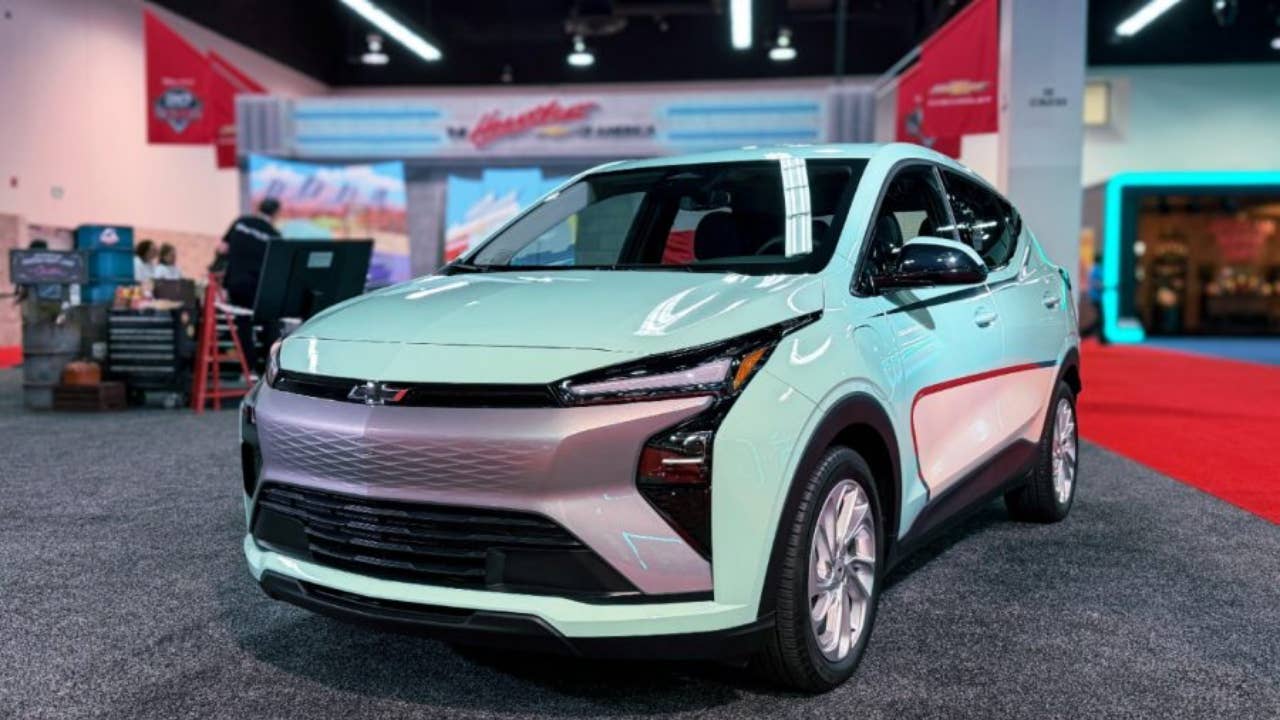
A study by HERE Technologies and SBD Automotive found that just 11% of surveyed US gasoline and diesel vehicle owners consider an EV their most likely next purchase or lease. Among current US EV owners, 77% say they are likely to buy another electric car.
The research surveyed 4,058 drivers across eight markets, rather than that many drivers in the US alone. Its American findings reveal a difficult recruitment task alongside a much stronger appetite for repeat ownership.
The wording matters, too. Choosing an EV as the *most likely* next vehicle is not the same as expressing interest in one. A driver can be curious about electric cars without putting one at the top of the shopping list. Equally, buying intentions are not completed sales: prices, available models and personal circumstances can still change the final decision.
Existing owners’ enthusiasm offers encouragement, but it does not prove every gasoline-car driver would feel the same after switching. The two groups have already made different choices about what suits their lives.
The Charging Network Looks Better From an EV
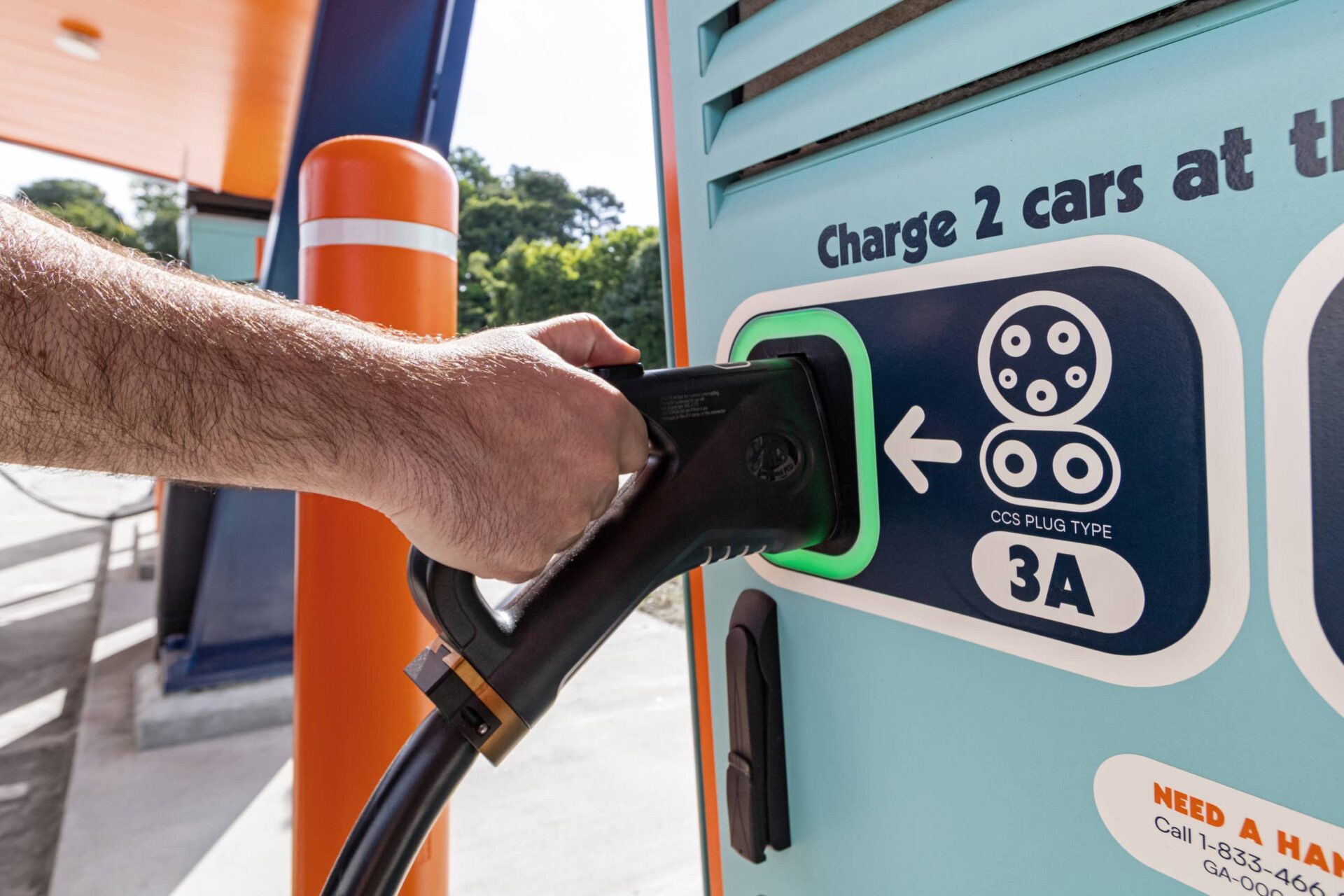
Charging produces one of the clearest contrasts. In the US, 85% of EV owners rate charging coverage as good or very good, up from 72% in 2025. That is the highest satisfaction level among the markets surveyed. Only 42% of non-EV owners give coverage a positive rating.
There is tangible infrastructure progress behind those improving owner ratings. US public charging points grew by more than 14% between 2025 and 2026, while average charger power rose from 65 kW to 83 kW.
More charging points expand the places drivers can plug in, while higher power can shorten charging stops. The car still determines how much power it can accept, though: battery characteristics, temperature management and charging software all affect the actual session.
The contrasting ratings suggest that firsthand experience may help build confidence. They do not establish that every concern among non-owners is misplaced. A driver with somewhere to charge overnight faces a different ownership decision from someone who would depend on public chargers.
The Savings Argument Has Not Won Everyone Over
Cost remains another obstacle to confidence. Just 34% of US respondents believe EVs are cheaper to own than gasoline-powered vehicles. Another 29% see ownership costs as roughly equal, while 28% consider EVs more expensive.
These are perceptions, not a calculation proving which powertrain costs less for a particular buyer. Purchase price and running costs also answer different questions: accepting the possibility of lower bills over time does not necessarily make the initial payment affordable.
The HERE Technologies and SBD Automotive study also identified the end of purchase incentives in late 2025 as a factor dampening EV sales into 2026. The federal incentives that expired in September 2025 included a $7,500 (about 28,100 Saudi riyals and 27,500 UAE dirhams) credit for new EVs and a $4,000 (about 15,000 Saudi riyals and 14,700 UAE dirhams) credit for used ones.
For manufacturers, that leaves more than a charging argument to make. Buyers need a convincing financial case as well as confidence that the car fits their routine.
Buying Intentions Are Not Market Share
Separate research helps put the findings in perspective without treating different surveys as interchangeable. Deloitte’s 2026 Global Automotive Consumer Study found that 7% of US buyers wanted an EV next, up from 5% in 2025. Conventional gasoline or diesel vehicles attracted 61%, hybrids 21%, and plug-in hybrids 5%.
Unlike the HERE Technologies and SBD Automotive result, those figures describe preferences among US buyers generally, not specifically the next likely purchase or lease among current gasoline and diesel owners.
Actual sales show a market recovering quarter to quarter but still below its incentive-driven peak. Cox Automotive recorded 262,649 US EV sales in the third quarter of 2026, up 6.1% from the previous quarter but down 39.5% year on year. EV market share reached 6.4%, compared with 5.8% in the second quarter. In the third quarter of 2025, buyers rushing to secure the expiring credit had pushed EV share above 10% for the first time.
Those figures measure different things, but the challenge for manufacturers is concrete. Keeping an existing EV owner interested means building on an experience they already know. Winning a gasoline-car owner requires making the price, the charging stops and the everyday routine work before they ever take the keys.

