

Major automakers want the courts to preserve America’s weaker fuel economy rules, arguing that another change would threaten hundreds of future models. For drivers, however, the government’s own estimates reveal a trade-off: lower compliance costs for manufacturers, but higher fuel spending over a vehicle’s life.
The Alliance for Automotive Innovation backed the Trump administration on November 2, 2026, in a legal fight over the rollback. The group represents General Motors, Toyota, Volkswagen, Hyundai, Ford, Stellantis and other major manufacturers.
How much lower is the target?
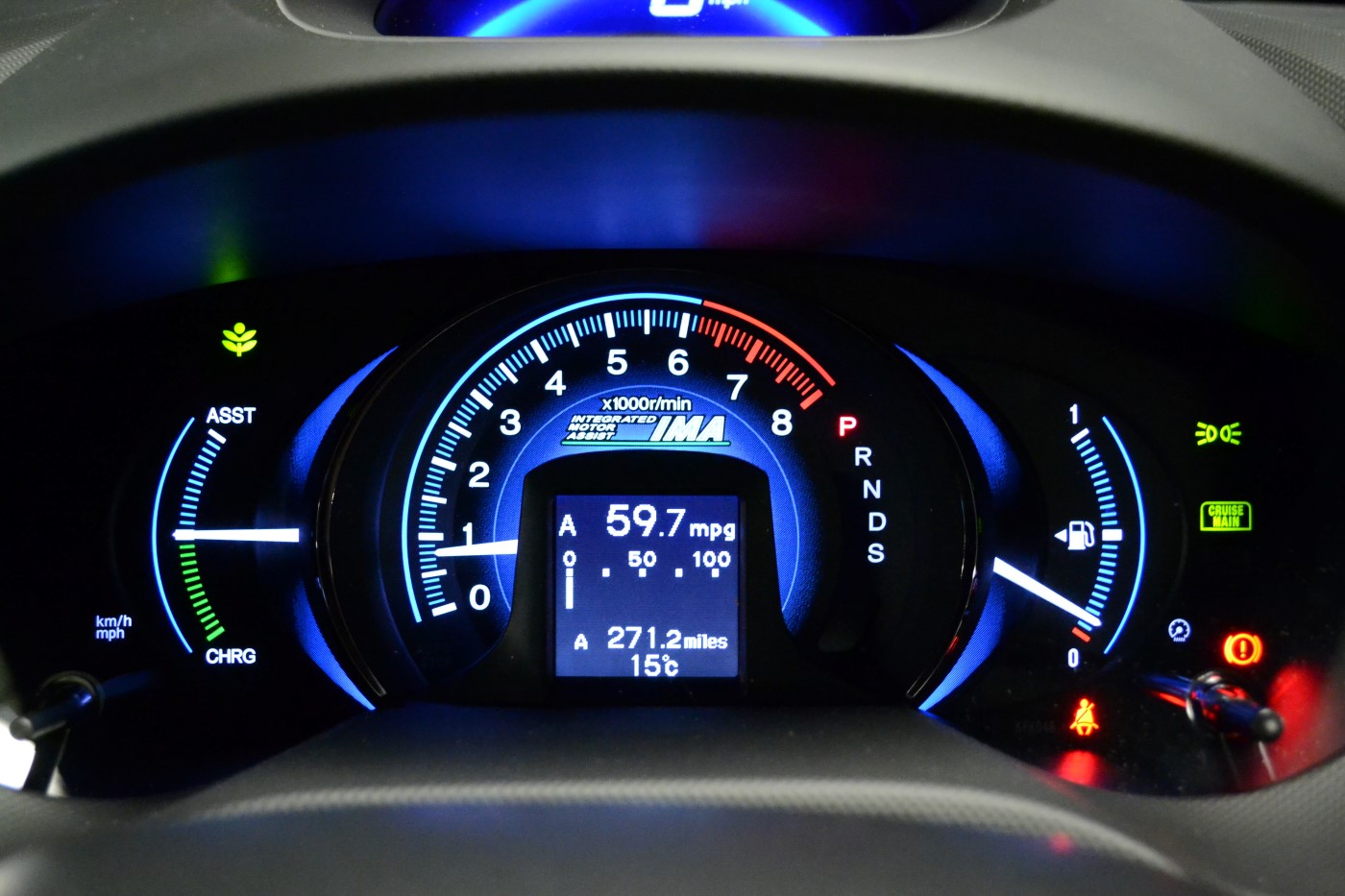
The US Transportation Department said in October that it was finalizing a fleet-wide fuel economy average of 14.7 km per litre by 2031, down from the 21.4 km per litre standard approved under then-President Joe Biden in 2024.
The target applies across a manufacturer’s fleet, rather than requiring every individual vehicle to achieve that figure. The revised standards reverse Biden’s push towards greater fuel efficiency and electric vehicles, easing the benchmark manufacturers must plan around for their US line-ups.
California, New York and two dozen other states, cities and counties challenged the new rules in October. Their lawsuit has now drawn automakers into the fight on the administration’s side.
Why do manufacturers want the rules to stay?

“Automakers require certainty and stability in the standards,” the Alliance for Automotive Innovation said in its filing with the 1st US Circuit Court of Appeals.
The alliance argued that overturning the standards would endanger investment planning, product development and performance validation for hundreds of new models intended for the US market. Manufacturers are defending the regulatory framework behind those programmes, with decisions about investment and engineering hanging on which standards survive.
The group also asked the court to reject the states’ objections to the rollback.
Lower manufacturing costs, higher fuel bills?
The Transportation Department estimates that the revised regulation will reduce manufacturers’ average compliance cost by $1,289 (about 4,800 Saudi riyals and 4,700 UAE dirhams) per vehicle. It also estimates that fuel costs will increase by more than $1,600 (about 6,000 Saudi riyals and 5,900 UAE dirhams) over a vehicle’s lifetime. These are the department’s projected costs, not announced vehicle prices or promised showroom discounts.
The department expects the rules to boost new-car sales, while projecting a 4.6% increase in US gasoline consumption through 2050 compared with the Biden standards. Its forecast puts the central trade-off in plain view: manufacturers would spend less meeting the rules, while vehicles would consume more fuel.
Where do electric vehicles fit into the fight?

The states argue that the administration ignored millions of electric vehicles when assessing the “maximum feasible” fuel economy level, producing a distorted analysis. Environmental and consumer groups have also filed a separate lawsuit against the revised standards.
The American Petroleum Institute, an oil and natural gas industry trade group, has filed in support of the administration. It argued that government standards should not force consumers to purchase vehicles that consume less fuel than they would otherwise choose.
That leaves the court considering more than a fuel economy target. Automakers are defending the stability of their future product plans, while the challengers dispute whether the government has properly accounted for the electric vehicles already on the road.

