

Artificial intelligence could become a powerful tool for automakers looking to cut costs and improve profitability. Stellantis is already using the technology to speed up vehicle development, reducing certain engineering tasks from hours to minutes. But can these improvements actually help manufacturers make more money?
The company is aiming to shorten its vehicle development cycle from four years to just two, potentially reducing engineering expenses and allowing new models to reach customers sooner. For Stellantis, which is facing financial pressure, the benefits could be substantial.
How AI Could Save Automakers Millions

On November 1, 2026, Stellantis completed development work on a driver-assistance system in just six weeks, compared with the 12 to 18 months previously required for similar projects.
The company has also reduced certain aerodynamic simulations from 14 to 24 hours to just three minutes.
These improvements allow engineers to test different designs, analyse results, and identify potential problems without repeatedly building expensive physical prototypes.
AI can also accelerate software development and component design, potentially reducing research and development expenses.
Stellantis is applying these methods to its STLA Brain software architecture and STLA SmartCockpit system, with the technologies expected to begin appearing in two models in 2027.
However, faster engineering does not eliminate the need for crash tests, durability assessments, or regulatory approvals.
Why Faster Development Could Mean Higher Profits
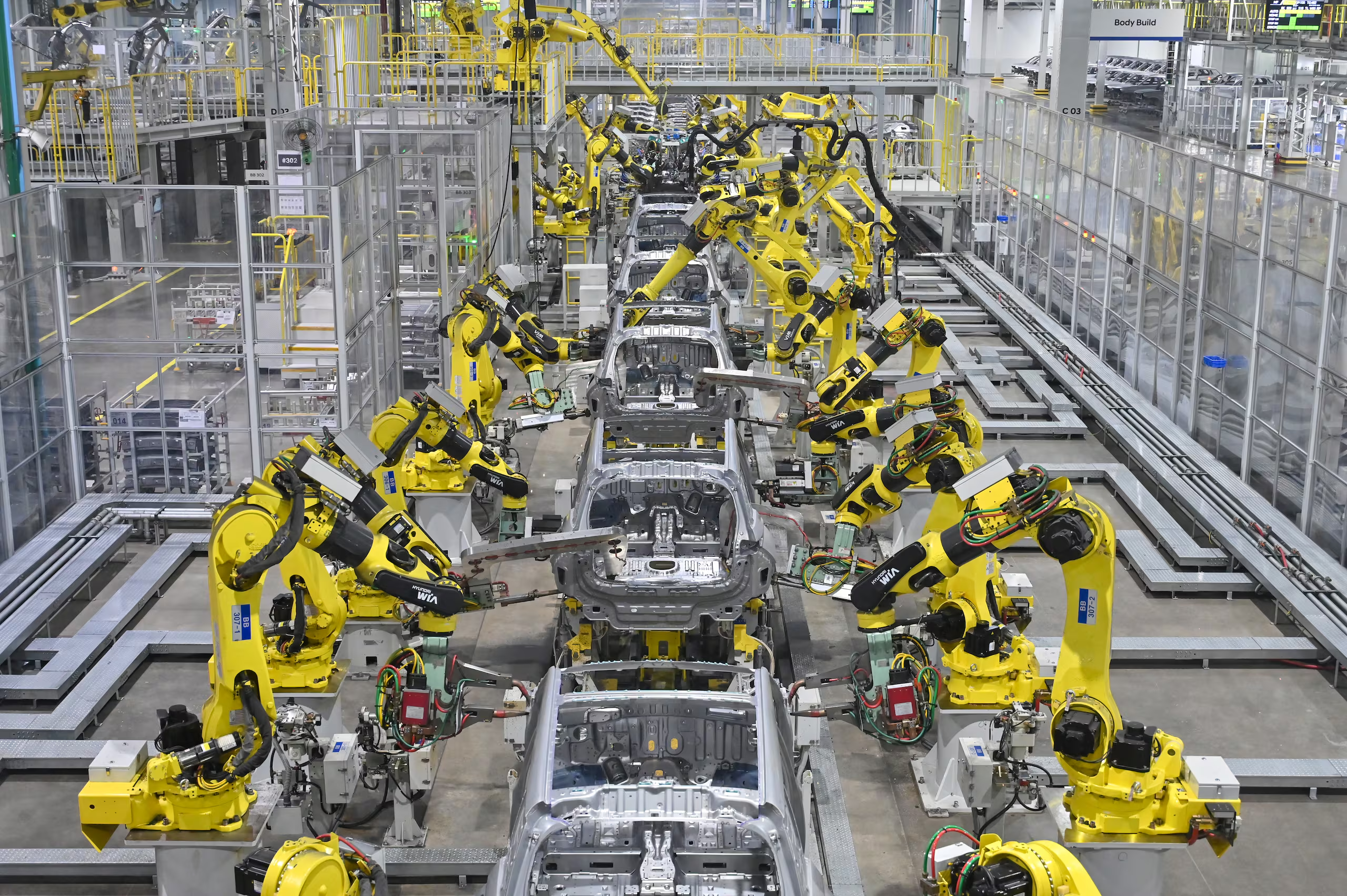
Reducing vehicle development from 48 months to 24 months could help Stellantis lower costs and begin generating revenue from new models sooner.
Competition from Chinese manufacturers makes this particularly important. BYD, Chery, and Zeekr can develop certain vehicles in approximately 18 months, while traditional automakers sometimes require up to five years.
Their speed comes from a combination of digital engineering, shared platforms, integrated supply chains, and efficient development processes rather than AI alone.
For Stellantis, the challenge is turning faster individual engineering tasks into shorter overall vehicle development programmes.
Stellantis Needs More Than Faster Engineering

The company’s financial results explain why improving efficiency has become a priority.
In the third quarter of 2026, Stellantis reported revenue of €37.6 billion, approximately $42.03 billion, alongside a net loss of €453 million, equivalent to around $506.4 million.
By comparison, General Motors generated $50 billion in revenue and $4.1 billion in adjusted operating profit, while Ford reported $49.5 billion in revenue and $2.7 billion in adjusted operating profit.
Although these profitability measures are not directly comparable, the figures highlight the challenges facing Stellantis.
The manufacturer is targeting €6 billion in annual operating savings through restructuring, although it has not specified how much artificial intelligence will contribute.
Could AI Generate Hundreds of Millions in Savings?

In 2025, Stellantis spent approximately €6.10 billion on research and development, compared with $8.5 billion at General Motors and $9.4 billion at Ford. Different accounting methods limit direct comparisons.
Stellantis also recorded €11.15 billion in research and development costs on its income statement, including the effects of €6.19 billion in development-asset write-offs and impairments rather than new research spending.
Using Stellantis’ more precise annual research and development spending of €6.098 billion, a hypothetical calculation illustrates the potential savings.
If 20% of that spending involved activities directly linked to working hours, reducing their duration by 25% could theoretically save approximately €305 million annually.
Cutting those hours by 50% could increase potential savings to around €610 million.
These are illustrative estimates, not official company projections. Actual savings would depend on whether reduced working hours translate into lower expenditure.
What Does AI Mean for Automotive Engineers?
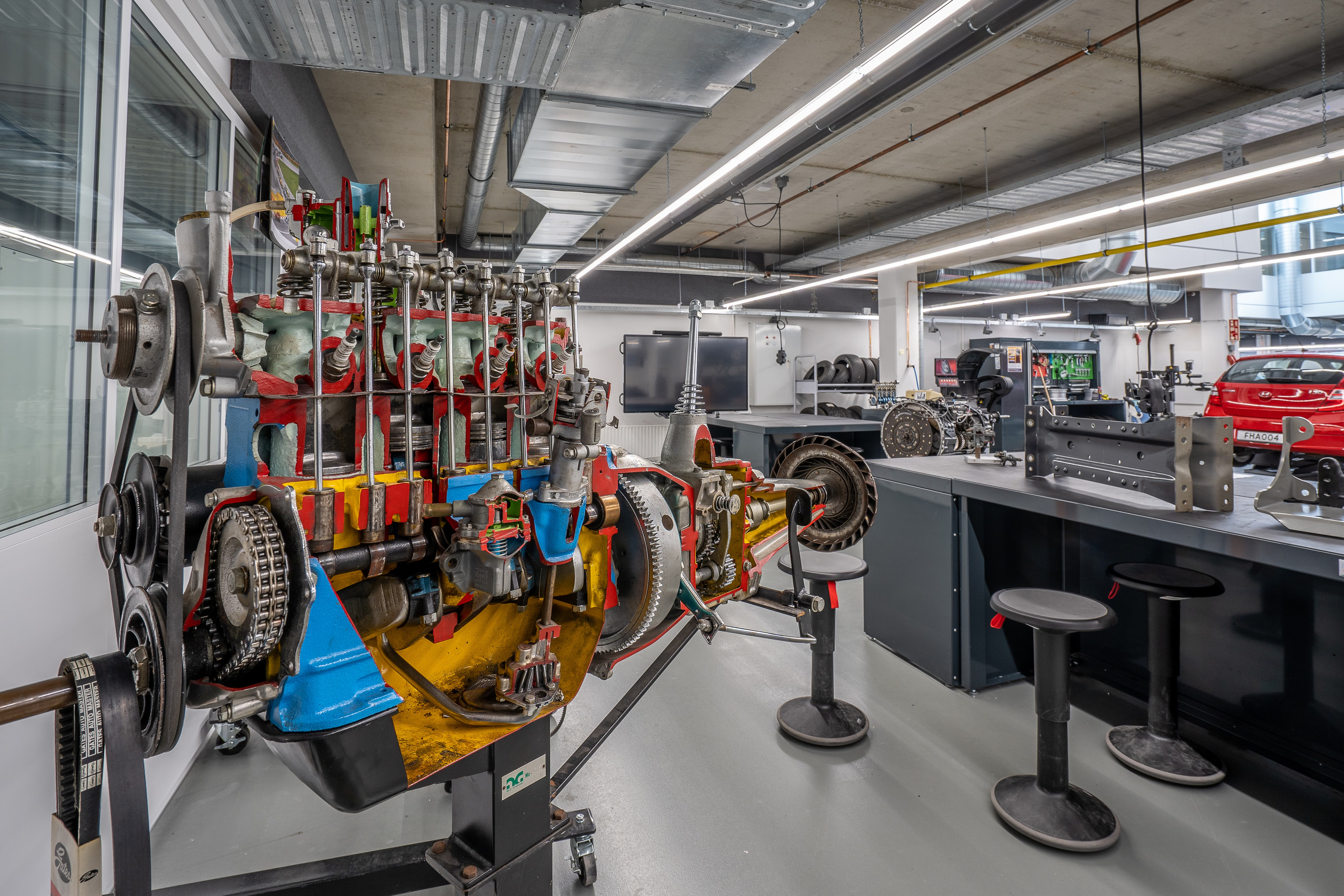
AI could reduce repetitive programming, simulation, and testing work while increasing demand for engineers who specialise in software integration and system safety.
Stellantis executives have indicated that some employees are taking on broader responsibilities rather than working fewer hours. The company also planned to recruit hundreds of engineers in Europe and the United States during 2026.
This suggests that AI may initially improve productivity rather than significantly reduce employment costs.
Can Artificial Intelligence Really Improve Automotive Profits?
Artificial intelligence offers automakers an opportunity to reduce engineering expenses, accelerate development, and bring new vehicles to market sooner.
However, faster simulations alone cannot guarantee profitability. Manufacturers must also manage production costs, maintain safety standards, coordinate suppliers, and develop vehicles that customers want to buy.
For Stellantis, the real test will begin in 2027 as vehicles developed using its accelerated engineering methods start reaching the market.
If these improvements lead to lower expenses and stronger financial results, AI could become an important contributor to automotive profitability. Until then, it remains a promising technology whose financial potential has yet to be fully demonstrated.

