

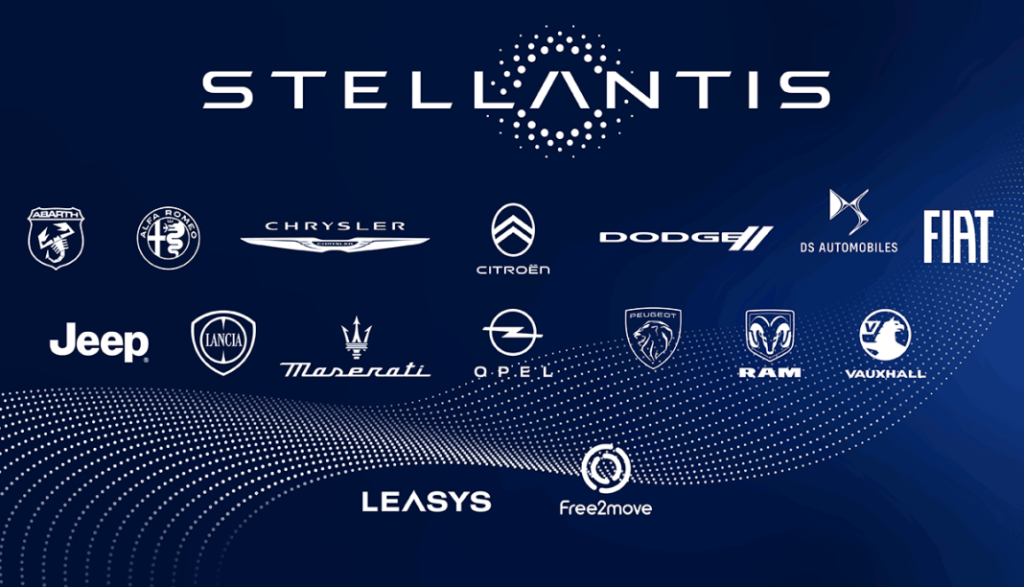
Stellantis likes to describe its lineup as a “constellation of 14 iconic automotive brands,” but lately that constellation looks more crowded than cohesive. Behind the polished messaging, the group is facing a question that’s becoming harder to avoid: does it still make sense to keep all 14 brands alive?
When Stellantis was formed, former CEO Carlos Tavares made a clear promise — every brand would be given a fair chance. Time, not boardroom decisions, would decide who survived. That approach allowed names like Lancia, which had nearly vanished during the FCA years, to return to the spotlight. But four years on, the world has changed, and so has Stellantis’ appetite for patience.
The group’s 2024 results were a wake-up call, especially in North America, where profitability matters most. High prices, aggressive cost-cutting, and slimmer model lineups ended up pushing buyers toward competitors instead. Sales in the U.S. fell by 15% even as the overall market grew, leaving dealers with unsold stock and dragging Stellantis’ market share below 8% — a historic low.
Since taking over in June 2025, CEO Antonio Filosa has moved fast to stop the bleeding. Inside the company, his plan is bluntly described as an “emergency room” approach. The priority is simple: get cars moving again. That means accepting lower margins for now, reopening the door to fleet sales, bringing back popular models, dialing back overly ambitious EV targets, and putting affordability back at the center of the product strategy. Early signs suggest it’s working, with North American sales rising 6% in the third quarter after nearly two years of decline.
But fixing volumes comes with a tough follow-up question: can Stellantis afford to carry 14 brands while fighting for relevance and profit at the same time?

Europe is where that question becomes especially uncomfortable. The PSA–FCA merger created a web of overlapping brands, many of them chasing the same customers in the same segments. Peugeot, Opel, Citroën, and Fiat often step on each other’s toes, while smaller or more premium brands like DS, Lancia, and Abarth struggle to stand out. According to sources cited by Reuters, Filosa is now reviewing the long-term future of every brand — and for the first time, streamlining or cutting brands is no longer unthinkable.
The sales numbers explain why. Through October 2025, DS Automobiles saw registrations fall by more than 21%, barely holding onto a 0.2% market share. Lancia’s drop was even more dramatic, with sales down over 68% to fewer than 10,000 cars. Maserati, grouped with Dodge and Ram in Europe, also continued to slide, with volumes so low they barely register on the market scale.
Meanwhile, Stellantis’ core brands are carrying most of the weight. Peugeot remains a powerhouse, selling nearly 470,000 vehicles in the first ten months of the year. Citroën and Opel–Vauxhall follow closely, each holding meaningful slices of the European market. Alfa Romeo, too, is proving more resilient than many expected, selling more cars than Lancia and DS combined.
Among the brands most often mentioned as potential casualties are Abarth, DS, and Lancia — though each tells a different story. Abarth could be folded more closely into Fiat, keeping the badge alive while cutting costs. But the brand’s shift toward electric performance has failed to excite its traditional fanbase, leaving its identity in limbo.
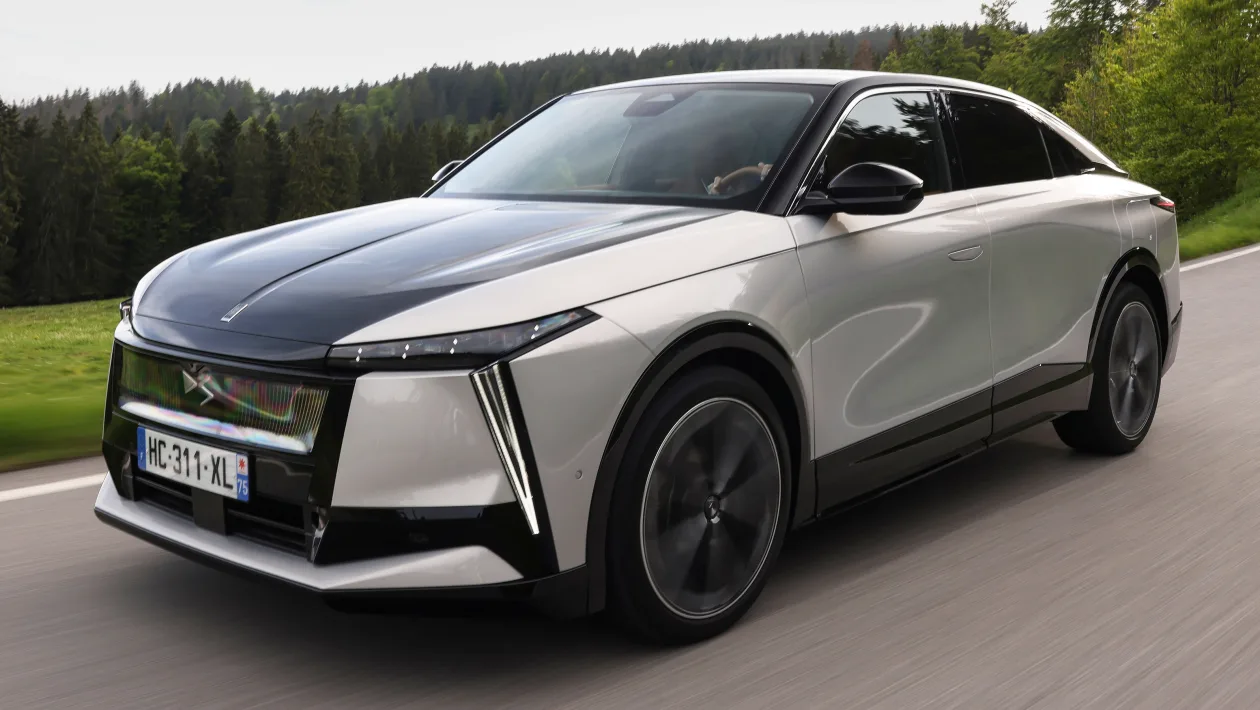
DS is a more delicate case. The brand has strong internal supporters and active products on the road and in development, including the newly launched DS N°8 and a future DS N°7. While volumes are small, DS supports manufacturing activity and jobs, making any quick decision politically and industrially complex.
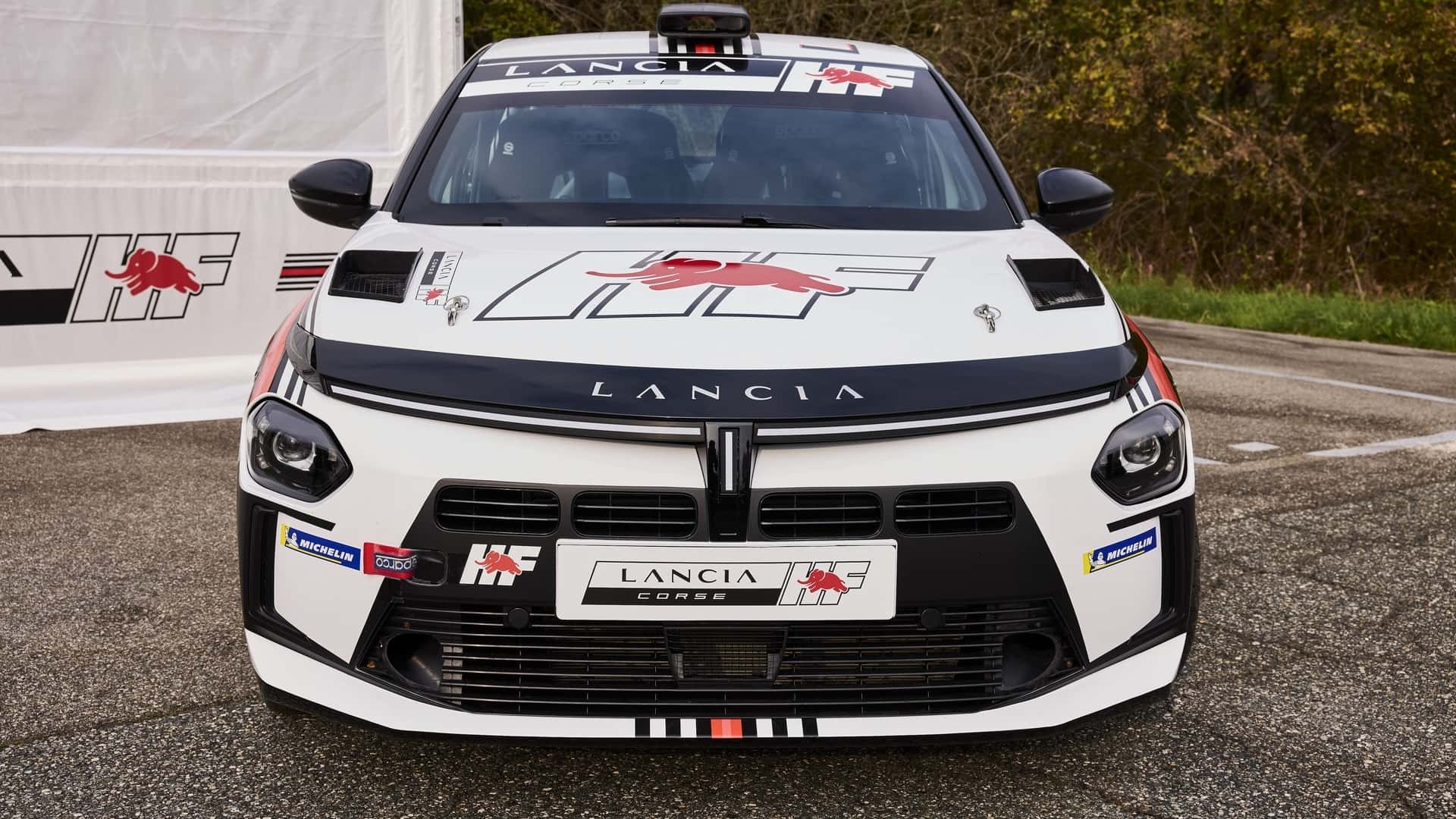
Lancia, meanwhile, is the most contradictory of all. On paper, its numbers are weak, relying almost entirely on the Ypsilon. Yet the brand is also showing signs of revival — from its return to rallying, to the upcoming Gamma, to new showrooms on the way. For now, Stellantis seems willing to give Lancia time, but that patience will depend on results.
At the shareholder level, Filosa still has room to maneuver. Exor, the Peugeot family, and the French state are prepared to accept thinner margins in the short term if it means restoring sales momentum. The goal is to return to healthier profitability later this decade, even if analysts remain cautious about how quickly that can happen.
What’s clear is that this grace period won’t last forever. If the recovery stalls, the conversation around brands will shift from theory to action. And if Stellantis does decide to shrink its constellation, the cuts are unlikely to be gentle.

