Few automotive terms are used as casually as JDM. For many enthusiasts, it immediately brings to mind cars like the Nissan Skyline GT R, Toyota Supra, Honda Civic Type R, and Mazda RX 7.
But JDM does not simply mean “Japanese car.”
The term has a much more specific meaning, and that distinction matters, especially among collectors, tuners, and enthusiasts who care about a car’s original market and specification.

What JDM Actually Means
JDM stands for Japanese Domestic Market.
In simple terms, a true JDM car is one that was originally built and sold specifically for the Japanese market.
That means a car does not automatically qualify as JDM just because it was made by a Japanese manufacturer, or even because it was assembled in Japan.
A Toyota Camry or Honda Accord built for the Middle East or the United States, for example, is still a Japanese car, but it is an export model rather than a JDM car.
The same distinction applies to cars that share similar platforms across different markets.
A Nissan Silvia sold in Japan is a genuine JDM model, while the related 240SX sold in the United States is not. It was built for American regulations and customer requirements, which makes it a USDM model.
The NSX is another good example. In the United States, it was sold under the Acura brand and configured for that market. The Honda NSX sold in Japan is the true Japanese domestic market version.
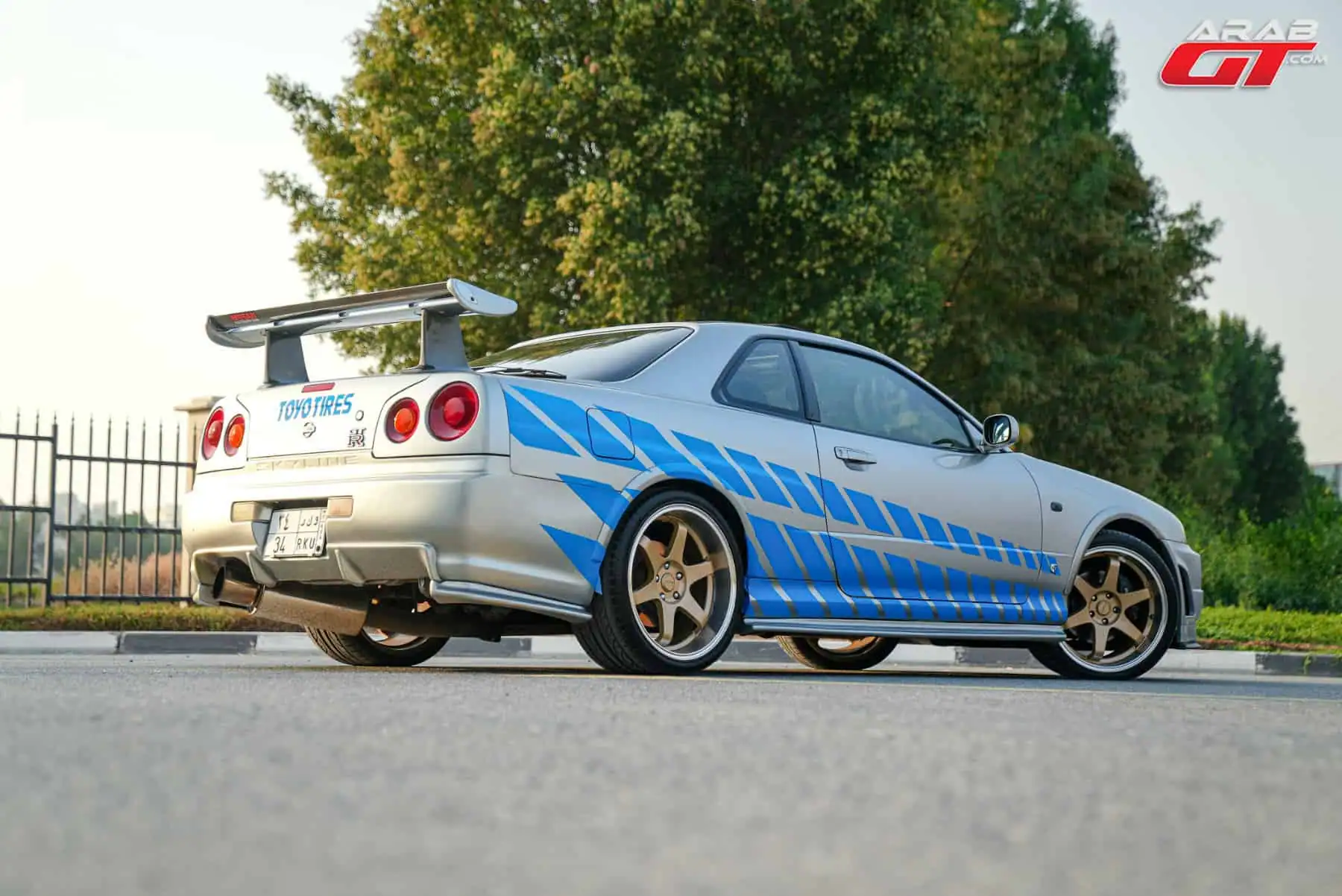
Right Hand Drive Does Not Automatically Mean JDM
One of the most common misconceptions is that any right hand drive Japanese car must be JDM.
That is not always the case.
Countries such as the United Kingdom, Australia, and New Zealand also use right hand drive vehicles, and cars sold there can have their own market specific specifications.
So steering wheel position alone does not tell you whether a car is genuinely JDM.
Historically, Japanese domestic models could also differ significantly from their export equivalents. Some received different engines, higher outputs, unique suspension setups, different safety equipment, or components that were not offered in overseas markets.
Those differences often came down to local regulations, emissions standards, taxation, or manufacturer strategy.

How JDM Became Bigger Than Its Original Meaning
JDM started as a straightforward market classification, but by the 1990s and early 2000s it had grown into a global car culture.
Video games such as Gran Turismo and Need for Speed introduced millions of players to Japanese performance cars, while The Fast and the Furious films and Initial D helped turn those cars into pop culture icons.
As the scene grew, the meaning of JDM began to evolve.
Today, the term is often used more loosely to describe Japanese performance cars, a certain tuning style, or builds using parts from well known Japanese aftermarket brands.
That means a car can have a JDM style without technically being a JDM car.
A Japanese model sold outside Japan can still be modified with Japanese market parts and styling cues, but its original market remains what determines whether it is truly JDM.

Why the Distinction Still Matters
For casual enthusiasts, the broader meaning is understandable. JDM has become shorthand for an entire era and style of Japanese performance culture.
For collectors and serious enthusiasts, though, the original definition still matters.
A genuine JDM car carries a specific history. It was built for Japan, sold there, and often came with specifications that differed from export versions.
That is what separates a true JDM model from a Japanese car that simply looks or feels like one.