
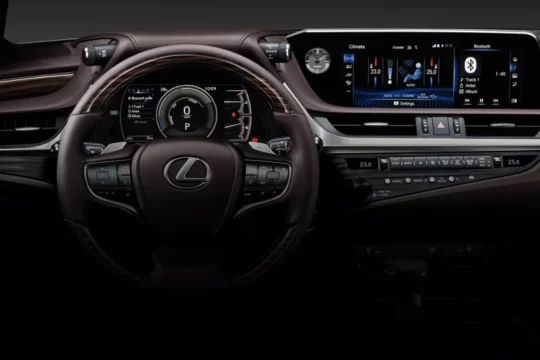
In an era where cars are becoming increasingly digital and technologically sophisticated, reliability has moved to the top of buyers’ priorities. Screens are larger, software is smarter, and connectivity is deeper than ever before — yet all of that innovation means little if a vehicle cannot deliver consistent, trouble-free ownership.
The 2026 J.D. Power study offers a revealing look at which brands and models truly stand the test of time after three years on the road. Based on feedback from tens of thousands of owners, the research measures the number of problems reported per vehicle. Simply put, the fewer the issues, the stronger the reliability and overall build quality.
Leading The Reliability Rankings
Lexus claimed the top position among luxury brands, reaffirming its long-standing reputation for meticulous engineering and durability. In the mainstream segment, Buick emerged as the highest-ranked brand, followed by Mini and Chevrolet.
Among individual models, the Lexus IS stood out as one of the most dependable cars currently on the market. Toyota also delivered an impressive performance across multiple segments. Models such as the Corolla, Camry, Tacoma, Sienna, and 4Runner all posted strong results, reinforcing the Japanese automaker’s image as a benchmark for long-term quality.
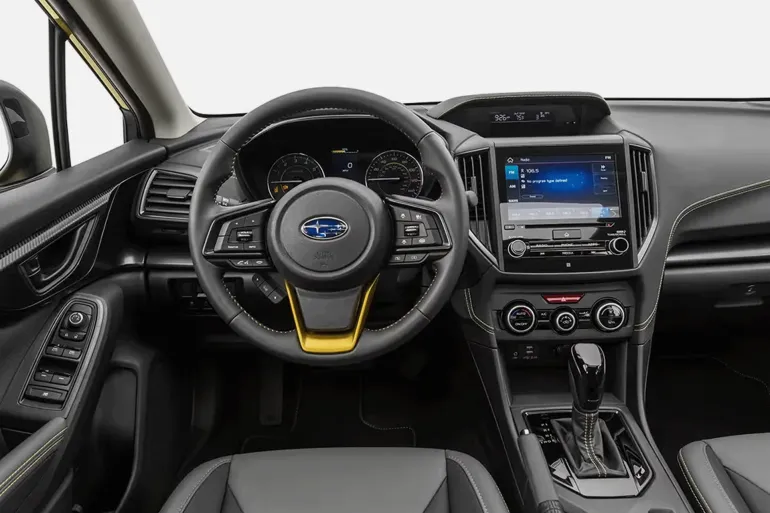
Subaru’s Strong Showing
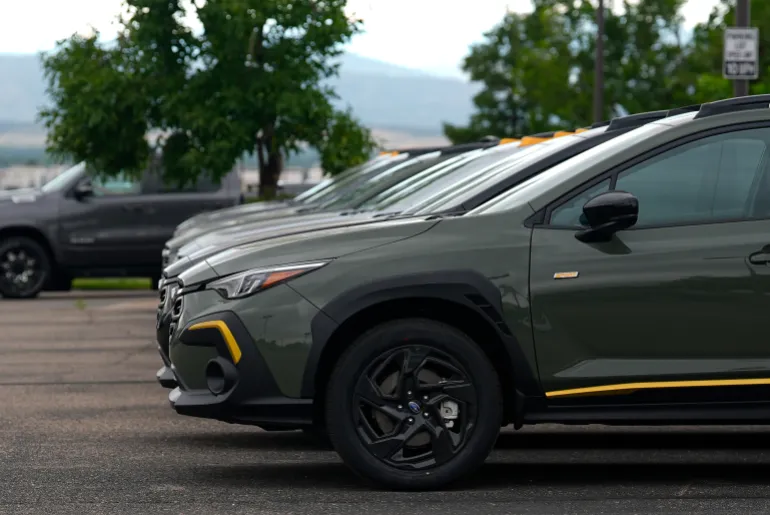
The Subaru Crosstrek earned the title of the most reliable small SUV in the United States for 2026. In a fiercely competitive compact SUV category, this recognition highlights Subaru’s continued focus on durability and everyday dependability — qualities that matter deeply to long-term owners.
The Complexity Challenge
However, the study also reflects a broader industry trend. As vehicles become more complex — packed with advanced infotainment systems, smartphone integration, over-the-air updates, and driver assistance technologies — the likelihood of reported issues increases.
Electric vehicles and plug-in hybrids, in particular, showed higher problem counts compared to traditional gasoline-powered models. The added layers of software and sophisticated powertrain systems introduce new variables that can affect long-term dependability.
Why Reliability Is Shifting
Industry-wide averages indicate a rise in reported problems compared to previous years. Much of this shift is linked to the rapid expansion of digital architecture inside modern vehicles. Innovation is accelerating, but complexity often comes at a cost.
What This Means For Buyers
For consumers, the message is clear: long-term reliability now carries more weight than price or outright performance alone — especially as maintenance and repair costs continue to climb.
The data suggests that vehicles built around engineering simplicity and refined, proven technology often deliver greater peace of mind over time.
The 2026 J.D. Power results ultimately reinforce a timeless principle in the automotive world: reliability is not defined by luxury or price tags, but by thoughtful engineering and consistent quality. While Lexus and Buick lead their respective categories, models like the Subaru Crosstrek and Toyota Camry continue to demonstrate that true dependability remains one of the most valuable traits a car can offer.

