As more drivers and carmakers push for the return of physical buttons, Range Rover is heading in a different direction.
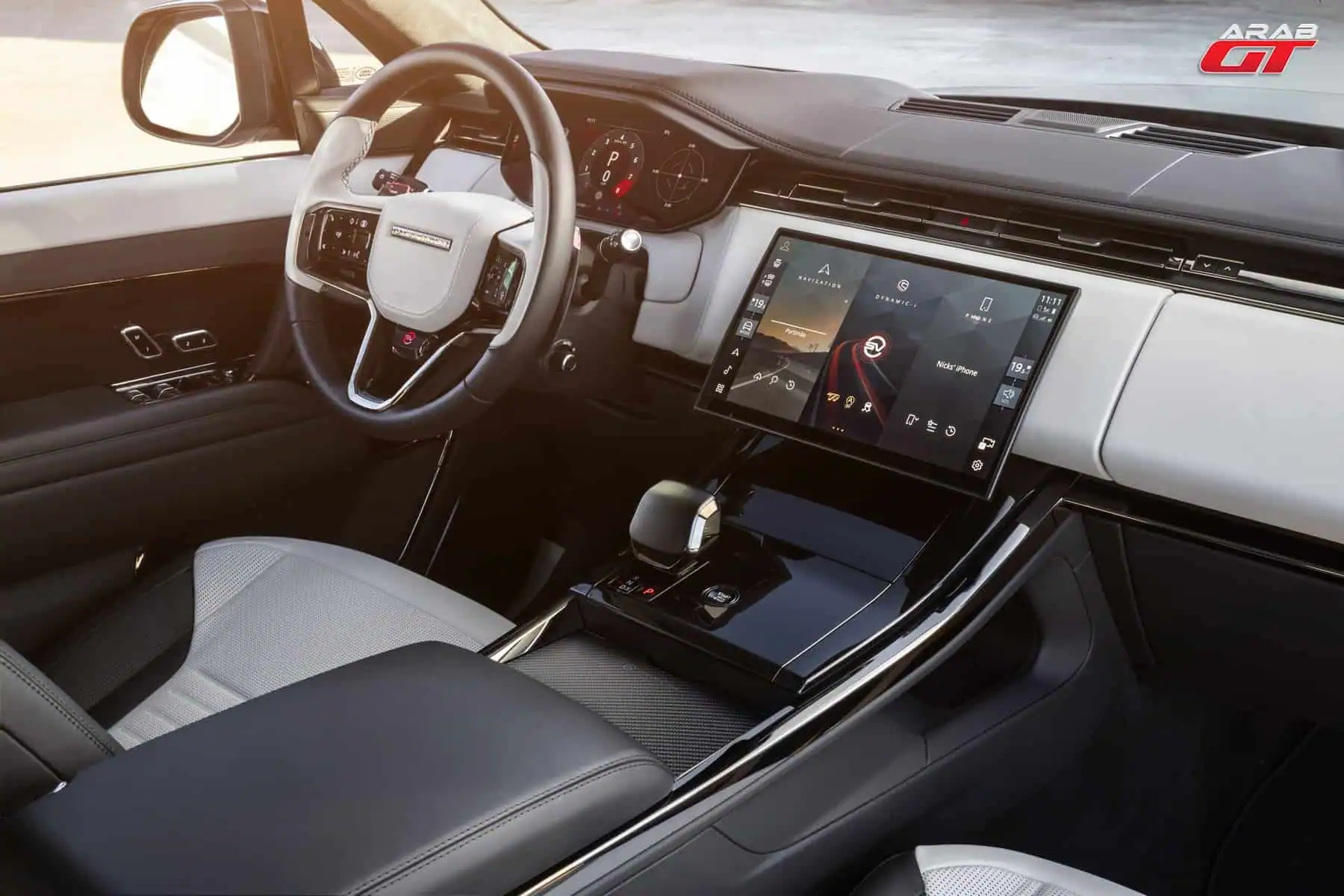
The British luxury brand wants to make its future cabins feel calmer and less cluttered, which means reducing the size and number of digital displays. But anyone hoping that smaller screens will bring back rows of traditional switches and knobs may be disappointed.
Brands such as Toyota, Hyundai, and Volkswagen have already started responding to customer criticism of touchscreen heavy interiors by reintroducing more physical controls. Range Rover, however, believes modern luxury is about reducing visual and technological noise rather than simply adding more hardware.

Range Rover Wants a Calmer Cabin
Range Rover Managing Director Martin Limpert says the brand does not want to follow the industry trend of filling interiors with increasingly large screens and layers of technology.
Instead, the company wants its cabins to feel cleaner and more relaxing.
Ryan Miller, Range Rover’s Global Product Marketing Director, described the idea as creating a “quiet and calming sanctuary,” with only the displays and information drivers actually need.
That means future Range Rover interiors are likely to feature fewer prominent screens, cleaner surfaces, and a more minimalist layout.
The tradeoff is that physical controls are not expected to make a major comeback. Range Rover is instead likely to rely on touch sensitive surfaces, keeping conventional buttons only for functions such as the windows and a handful of essential controls.

Smaller Screens Don’t Solve Everything
The decision to move away from oversized displays will probably be welcomed by drivers who feel modern cabins have become too screen heavy.
But the lack of traditional buttons remains a more controversial choice.
Touchscreens can look clean and modern, but simple functions such as adjusting the temperature or changing the volume often require more attention than turning a physical knob. That becomes even more noticeable when driving quickly, dealing with rough roads, or navigating off road terrain.
For a brand like Range Rover, that matters.
These are luxury SUVs designed not only to feel premium on the road, but also to perform in demanding conditions. In those situations, being able to find and operate a control by touch can be far more convenient than searching through a digital menu.
ArabGT’s Take
Range Rover’s decision to reduce the visual dominance of large screens makes sense and could help create a cleaner, more elegant cabin.
But removing physical controls almost entirely feels like a bigger gamble.
A well designed luxury interior does not need dozens of buttons, but keeping dedicated controls for frequently used functions such as climate and audio could make the cabin easier to use without compromising its minimalist look.
Range Rover is clearly betting that simplicity and seamless surfaces will define the next generation of luxury. Whether customers agree may depend on how easy those cabins are to use once they are behind the wheel.