At the 2026 Brussels Motor Show, the most meaningful announcement did not come from a dramatic reveal on stage, but from a strategic conversation. In an exclusive interview with Tianshu Xin, CEO of Leapmotor International, it became clear that the Chinese brand is not simply expanding — it is preparing a calculated and well-supported entry into the Middle East, backed by the industrial weight of Stellantis.
More Than Just Another Chinese Brand
With dozens of Chinese automakers competing globally, differentiation today depends on structure and long-term vision. Leapmotor’s advantage lies in its partnership. In 2023, Stellantis invested €1.5 billion to acquire a 20% stake in the company and formed Leapmotor International, a joint venture in which Stellantis holds a controlling 51% share.
For customers in the Middle East, this changes the narrative. Leapmotor is not arriving as an independent newcomer navigating alone; it effectively operates within the Stellantis ecosystem, benefiting from established expertise, logistics, and long-term operational support.
Addressing Trust Before The First Sale
One of the most frequent concerns in emerging automotive markets is aftersales reliability and spare parts availability. Leapmotor appears determined to eliminate that uncertainty from the outset. According to company leadership, parts distribution will be integrated into Stellantis’ regional logistics network, ensuring availability from day one.
In practical terms, this means infrastructure comes first — vehicles follow second. That sequencing is deliberate and signals long-term commitment rather than short-term expansion.
Designed For The Region, Not Just Imported Into It
The official Middle East launch is scheduled for the first half of 2026. The timeline was slightly adjusted to ensure proper adaptation to regional conditions, particularly climate-focused refinements such as upgraded HVAC systems for high temperatures.
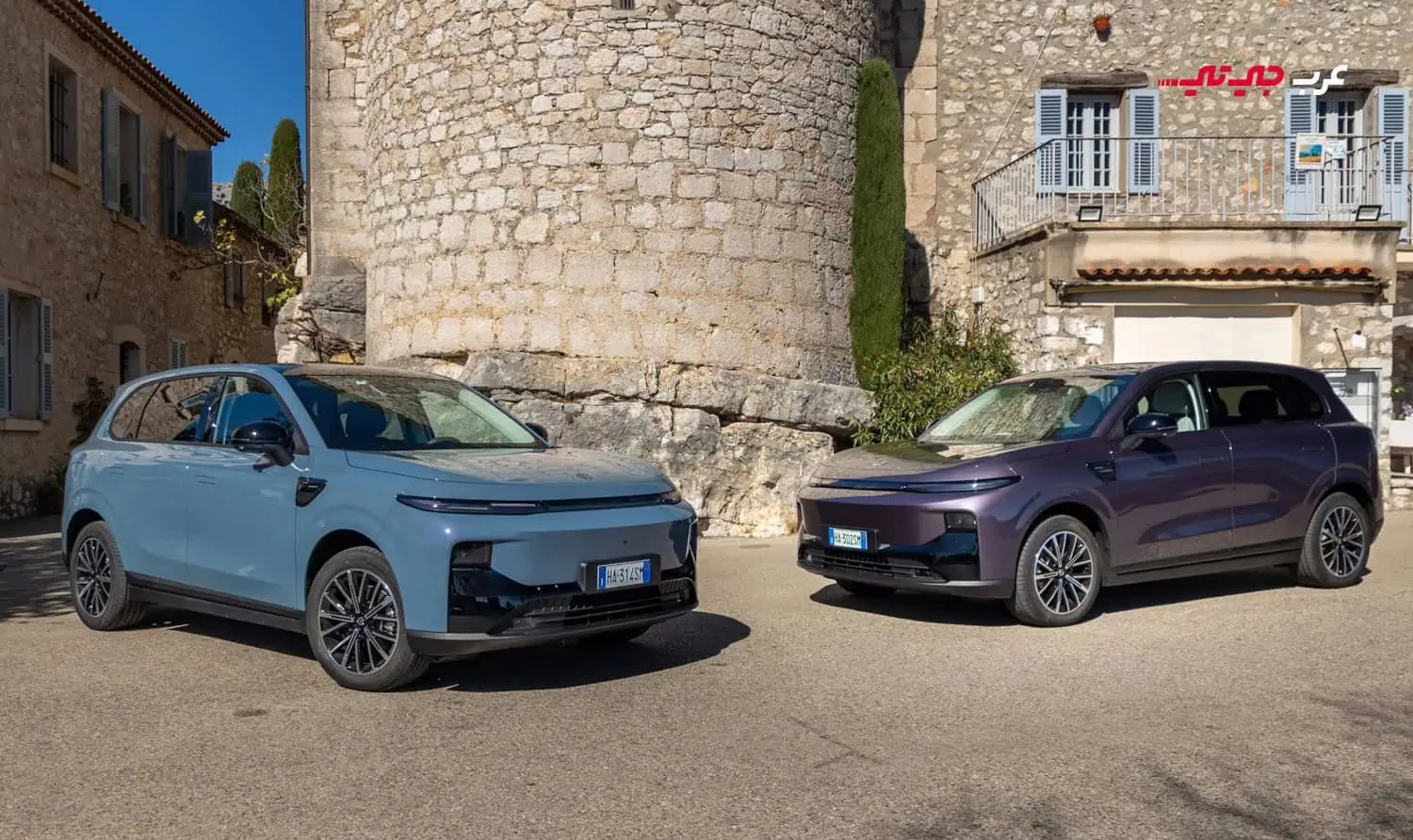
The product lineup will focus on SUVs suited to regional preferences:
Leapmotor C10 – A modern, technology-oriented SUV.
Leapmotor C16 – A six-seat model, with potential seven-seat configuration, positioned for family buyers.
Leapmotor B10 (REEV) – A range-extended electric vehicle offering additional flexibility where charging infrastructure is still developing.
The strategy is clear: align product size, comfort, and technology with real regional demand.
Engineering With Control And Flexibility
Leapmotor’s technical structure is built around vertical integration, with approximately 65% of components developed in-house. This allows tighter cost management and quality control. All models support full over-the-air updates, ensuring continuous software evolution throughout ownership.
The REEV system, in particular, reflects practical thinking. By combining electric drive with a gasoline engine acting purely as a generator, the technology reduces range anxiety without abandoning electrification. In transitional EV markets, that balance could prove critical.
A Long-Term Vision, Not A Trial Phase
Leapmotor International aims to sell one million vehicles globally this year, with ambitions to reach four million annually by 2035. Newly revealed models such as the B05 and B03X indicate that the product pipeline is already expanding.
The Middle East, therefore, is not an experimental destination — it is part of a broader global scaling strategy built on the combination of agile Chinese development and Stellantis’ industrial depth.
The Real Takeaway
Leapmotor’s entry into the region represents a shift in how Chinese brands expand internationally. It is no longer purely about aggressive pricing or rapid rollout. It is about structure, partnerships, logistics readiness, and local adaptation.
This is Chinese innovation operating with global backing — and that combination may well redefine competitive dynamics in the Middle Eastern automotive market.