What started as a rugged styling treatment is now shaping up to become something far bigger, with XRT evolving into a broader adventure focused sub brand designed to give Hyundai a stronger presence in a space dominated by names like the Jeep Wrangler and Ford Bronco.

XRT Is Moving Beyond Looks
Until now, XRT has mostly been associated with tougher styling and a more adventurous appearance. Hyundai now appears ready to push the name further and split it into two distinct levels.
Standard XRT models will focus mainly on visual upgrades and everyday usability, while XRT Pro will target buyers who want genuine mechanical improvements for rougher terrain.
That gives Hyundai a much clearer structure. Customers who simply want a tougher looking SUV can stay with XRT, while those who actually plan to leave the pavement can step up to XRT Pro.
Hyundai is also reportedly looking beyond a handful of models, with plans that could eventually bring XRT treatment to a much wider part of the lineup.
XRT Pro Is Where Things Get Serious
The difference between XRT and XRT Pro is expected to go well beyond appearance.
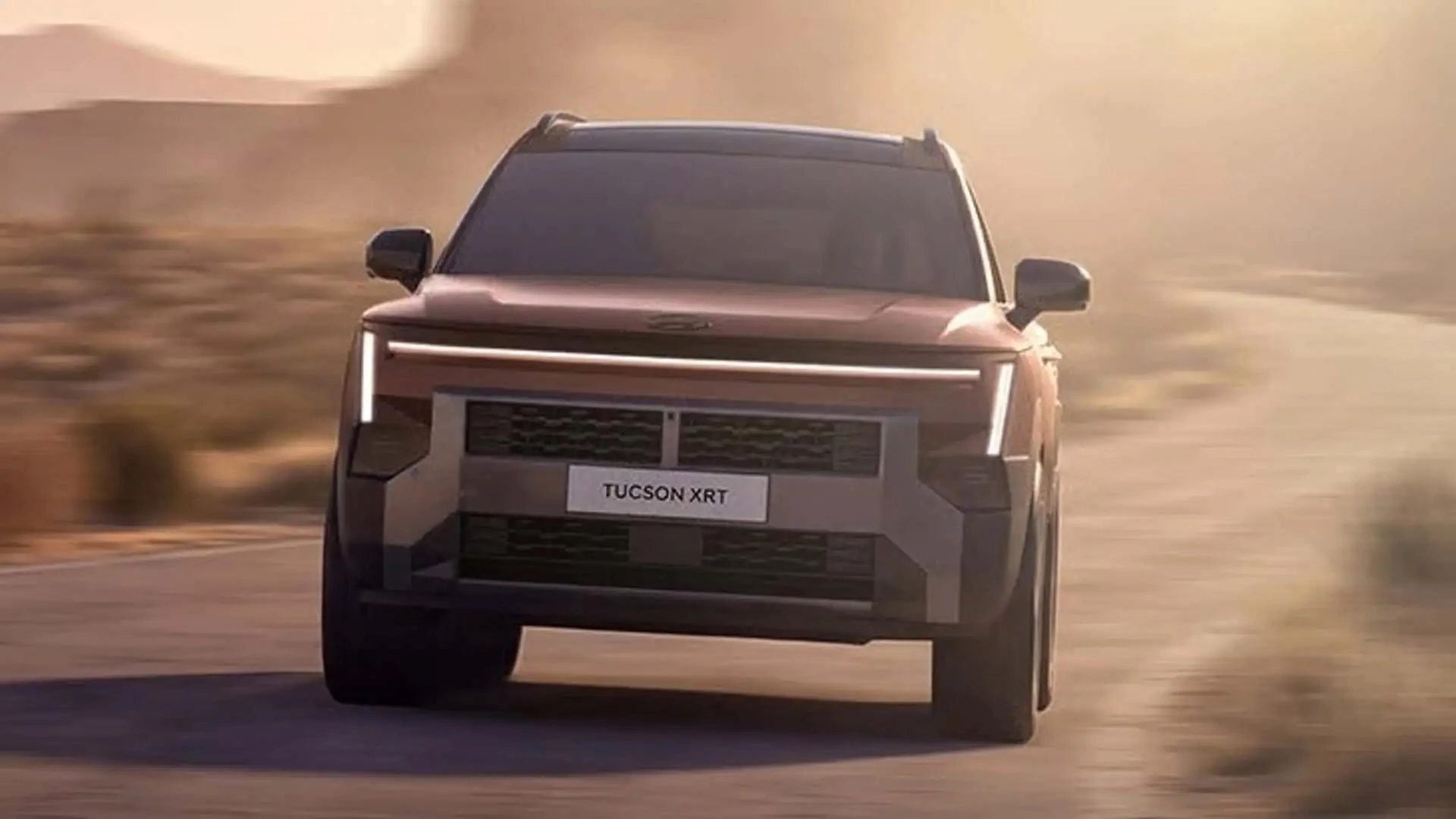
Regular XRT models will continue to use rugged design touches such as larger bumpers, dark exterior trim, and adventure inspired wheels, while keeping the comfort and efficiency expected from a daily driven Hyundai.
XRT Pro models are expected to add more meaningful hardware, including extra ground clearance, off road tuned suspension, skid plates, and all terrain tires.
That approach should allow Hyundai to offer a genuine step up in capability without turning every XRT model into an extreme off road machine.
Crater and Boulder Hint at Hyundai’s Bigger Plans
Hyundai’s recent concepts suggest the company may be thinking far beyond upgraded versions of its current SUVs.
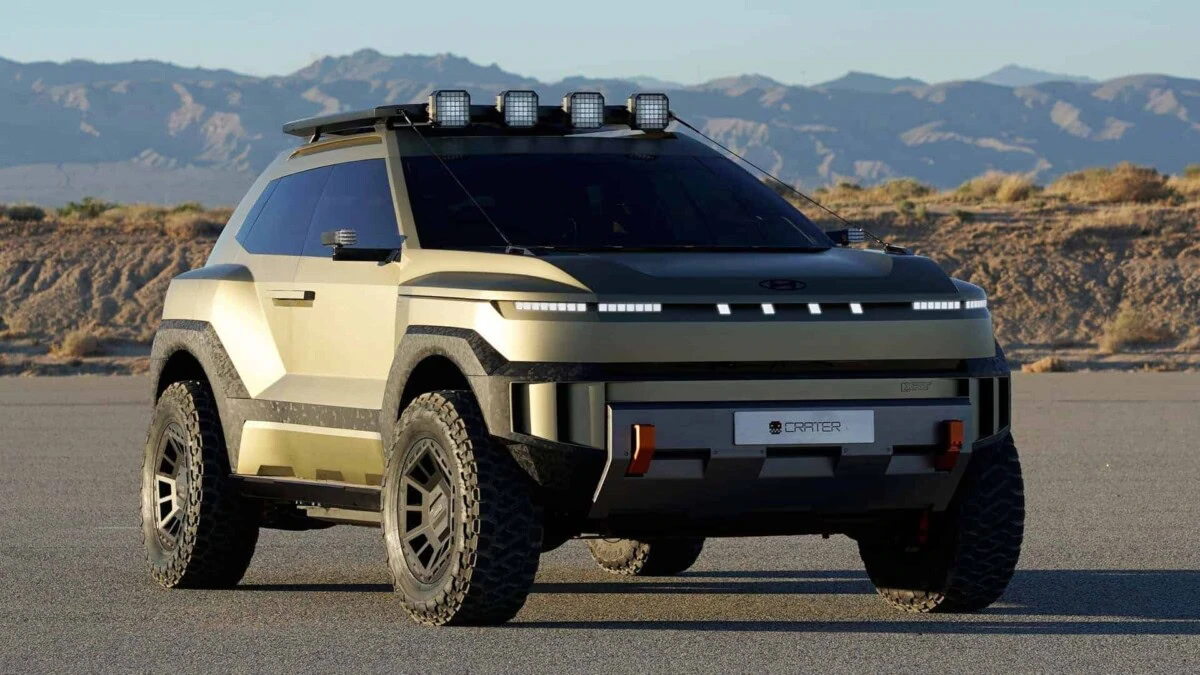
The Crater concept gives a glimpse of what a more focused Hyundai off roader could look like, with the potential to challenge models like the Wrangler and Bronco more directly.
The Boulder concept goes even further. With a larger body on frame layout and a stronger focus on exploration and harsh terrain, it points toward the possibility of Hyundai entering a more traditional off road segment in the future.
That would be a significant move for the brand, especially if Hyundai decides to build vehicles designed from the start for serious trail and desert use rather than adapting existing road focused SUVs.

Hyundai Already Has the Foundation
Hyundai has already introduced XRT versions of several models, including the Santa Fe, Palisade, Santa Cruz, Tucson, Ioniq 5, and Ioniq 9.
Expanding XRT into a more complete family would give the brand a way to connect those vehicles under one clear identity while also leaving room for more capable products later.
The idea is simple. XRT can handle the image and lifestyle side of the market, while XRT Pro gives Hyundai the chance to build real credibility with buyers who care about off road performance.
If concepts like Crater and Boulder eventually lead to production models, Hyundai could move from being a brand that offers rugged looking SUVs to one that competes much more seriously in the adventure and off road space.