General Motors wants its electric vehicles to do more than just move people around. The company is preparing a software update that would allow some EV owners in the United States to send electricity from their car batteries back to the power grid.
The feature builds on GM’s vehicle to home system, which already lets a compatible EV power a house during a blackout. With the new update, that same battery could also support the wider grid when demand is high.
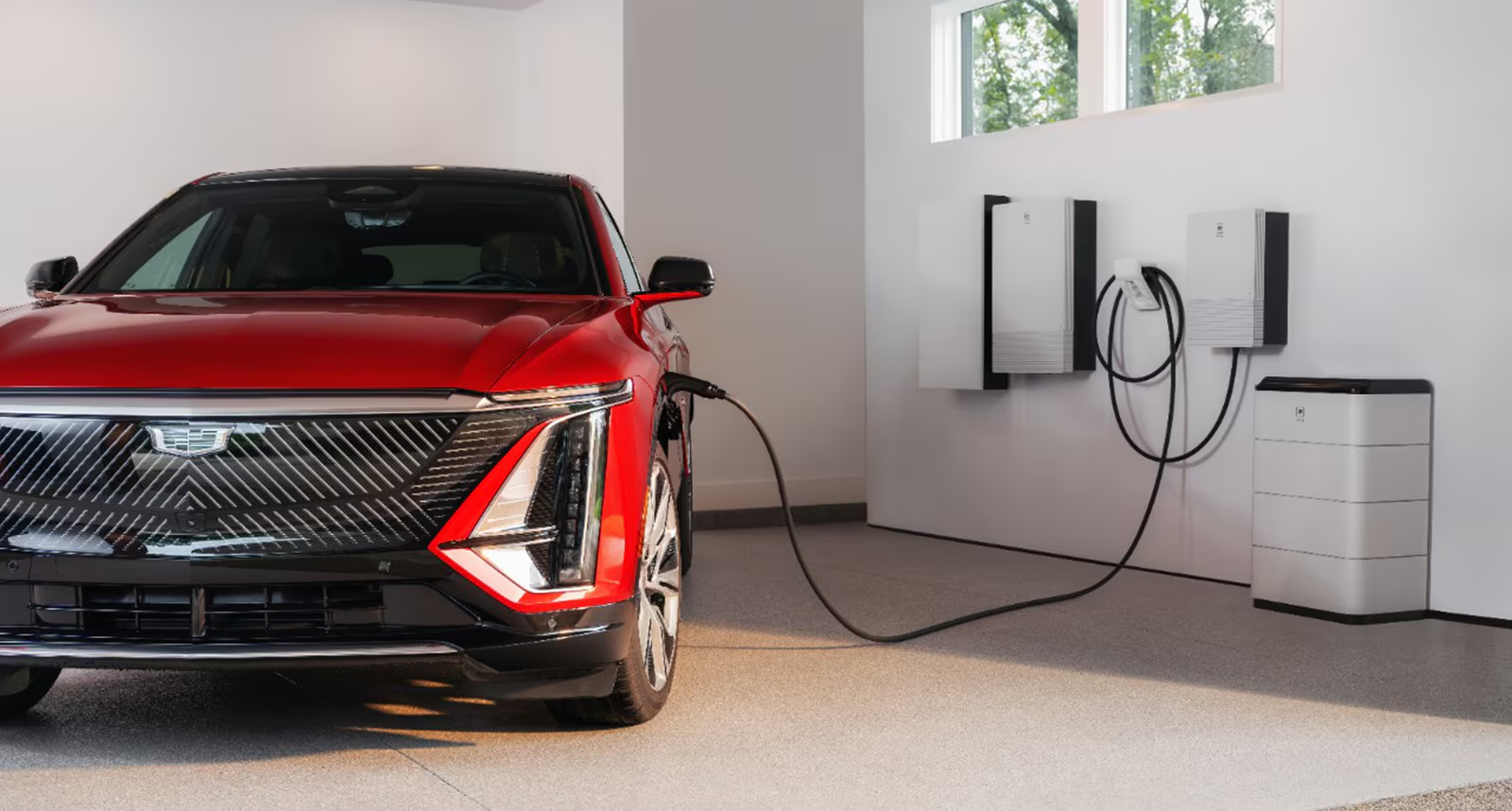
The idea is not that the car creates electricity. It simply stores energy that was charged earlier. That power may come from the grid, from home solar panels, or from both. For example, an owner with solar panels could charge the car during the day using extra solar energy, then use part of that stored power later at home or sell it back to the grid when electricity demand rises.
For people charging from the grid, the benefit comes from timing. Electricity is often cheaper when demand is low, such as overnight, and more valuable during peak hours. In that case, the EV works almost like a large battery on wheels, storing energy when it is easier to get and sending some of it back when the grid needs help.
Owners who take part could receive payments from utility companies, while GM would also take a share. The company says it already has thousands of users of its vehicle to home system, but it has not shared an exact number.

For now, the technology is still limited. Only a small number of utilities support vehicle to grid services, and the idea remains in an early testing phase. GM is speaking with around 10 utility providers, with the first commercial rollout expected in the coming months in California and Texas.
In Michigan, GM is also working with DTE Energy on a pilot program involving 30 GM employees.
The concept could become an important part of the EV future, especially as carmakers move deeper into the energy business. But its success will depend on utility support, fair payments for drivers, and whether owners are willing to share some of their battery charge while still keeping enough range for daily driving.