In the automotive world, global success doesn’t happen by chance—it comes from a defining moment. That’s exactly what Chinese carmakers are aiming for today, in what’s known as a “Yaris moment”—a strategic breakthrough like the one that helped Toyota establish a strong presence in Europe with the Toyota Yaris, a model specifically designed for that market.
China’s journey started differently. At first, manufacturers simply exported their domestic models with minor tweaks. But it quickly became clear: what works in China doesn’t necessarily work in Europe or other regions. That’s when the strategy began to shift.
Today, Chinese automakers are rethinking everything from the ground up. It’s no longer just about exporting cars—it’s about fully redesigning them to suit each specific market. This shift is driven by intense pressure on profit margins at home, alongside major growth opportunities abroad.
Domestically, competition is fierce, with ongoing price wars forcing companies to pack cars with technology while keeping prices low. In contrast, overseas markets—especially Europe—offer higher profit margins, provided brands can truly understand and meet local preferences.
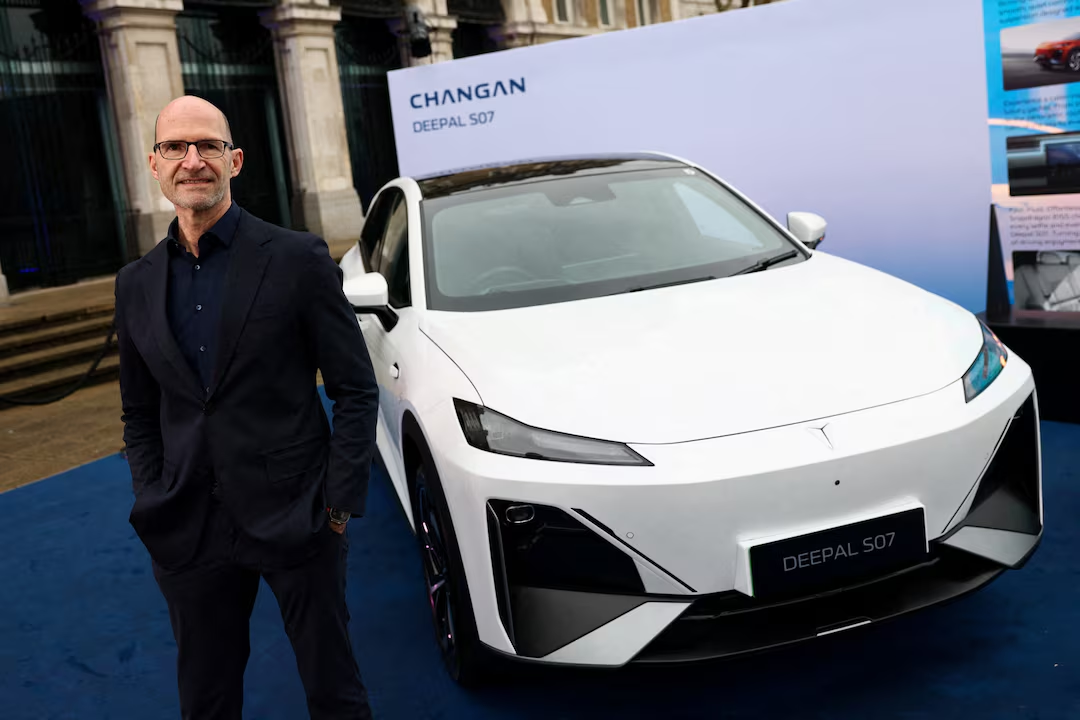
Major players like BYD, Chery, Changan, and SAIC Motor, along with brands like MG and Hongqi, are now developing export-focused models—from compact hatchbacks for Europe to pickup trucks for markets like Australia and Mexico.

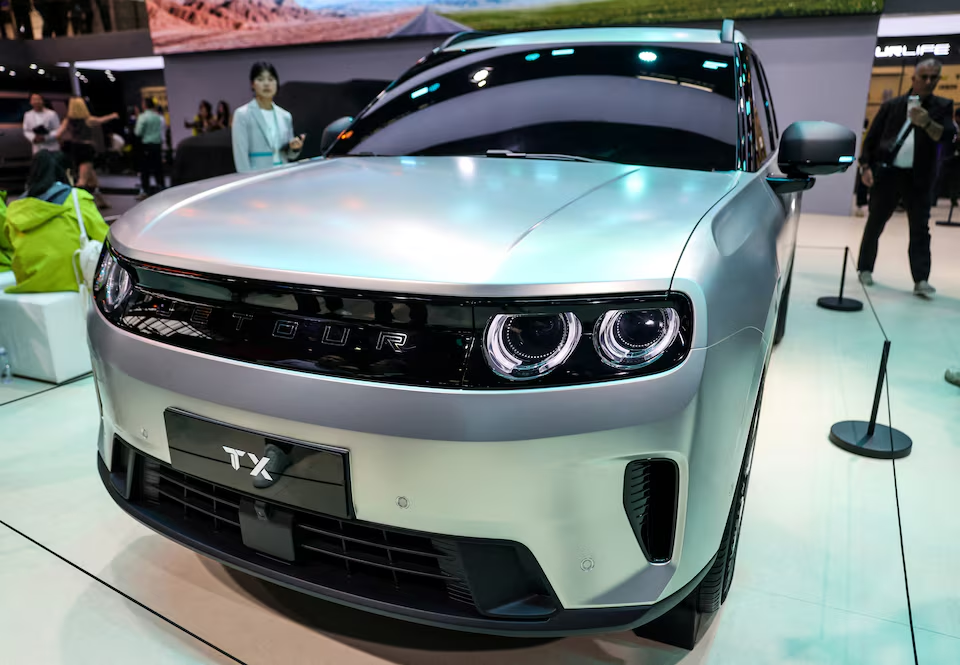
This strategy was clearly visible at the Beijing Auto Show, where Hongqi revealed a “global” SUV primarily designed for European urban drivers. Meanwhile, BYD introduced the Dolphin G, a hatchback built specifically for Europe, where this segment dominates the market.
For many Chinese automakers, expanding abroad is no longer just growth—it’s survival. With more than 100 manufacturers competing in a crowded domestic market and sales expected to stagnate, exports have become essential. In fact, China has already become the world’s largest car exporter, surpassing Japan.
Still, the real challenge lies ahead. Competing globally isn’t just about price—it’s about details: design, feel, and user experience. What appeals to a young Chinese buyer may not resonate with drivers in Europe or the U.S.
That’s why companies are focusing on smaller, more market-appropriate vehicles and even adjusting launch strategies—sometimes introducing models overseas before bringing them to China.