

Despite shipping disruptions caused by the Middle East crisis, Chinese car exports continued to post strong growth in March, highlighting the growing importance of overseas markets for China’s automotive industry.
According to data from the China Passenger Car Association, car exports rose by 73.7% year-on-year, reaching nearly 700,000 vehicles in March alone, after recording growth of 54.1% during the first two months of the year.
Cui Dongshu, the association’s secretary-general, described the performance as exceeding expectations, saying Chinese car exports have entered a stage of “super high growth.”
Meanwhile, the domestic market painted a different picture. Vehicle sales in China fell by 15.2% to 1.67 million units in March, marking the sixth consecutive month of decline.
The drop was largely driven by rising fuel prices, which weakened demand for conventional vehicles, while electric vehicles continued to struggle with reduced government incentives and a weak economic recovery.
Sales of internal combustion engine vehicles also fell by 15.7%, compared to a 13.4% decline during January and February, despite efforts by the Chinese government to limit local fuel price increases.
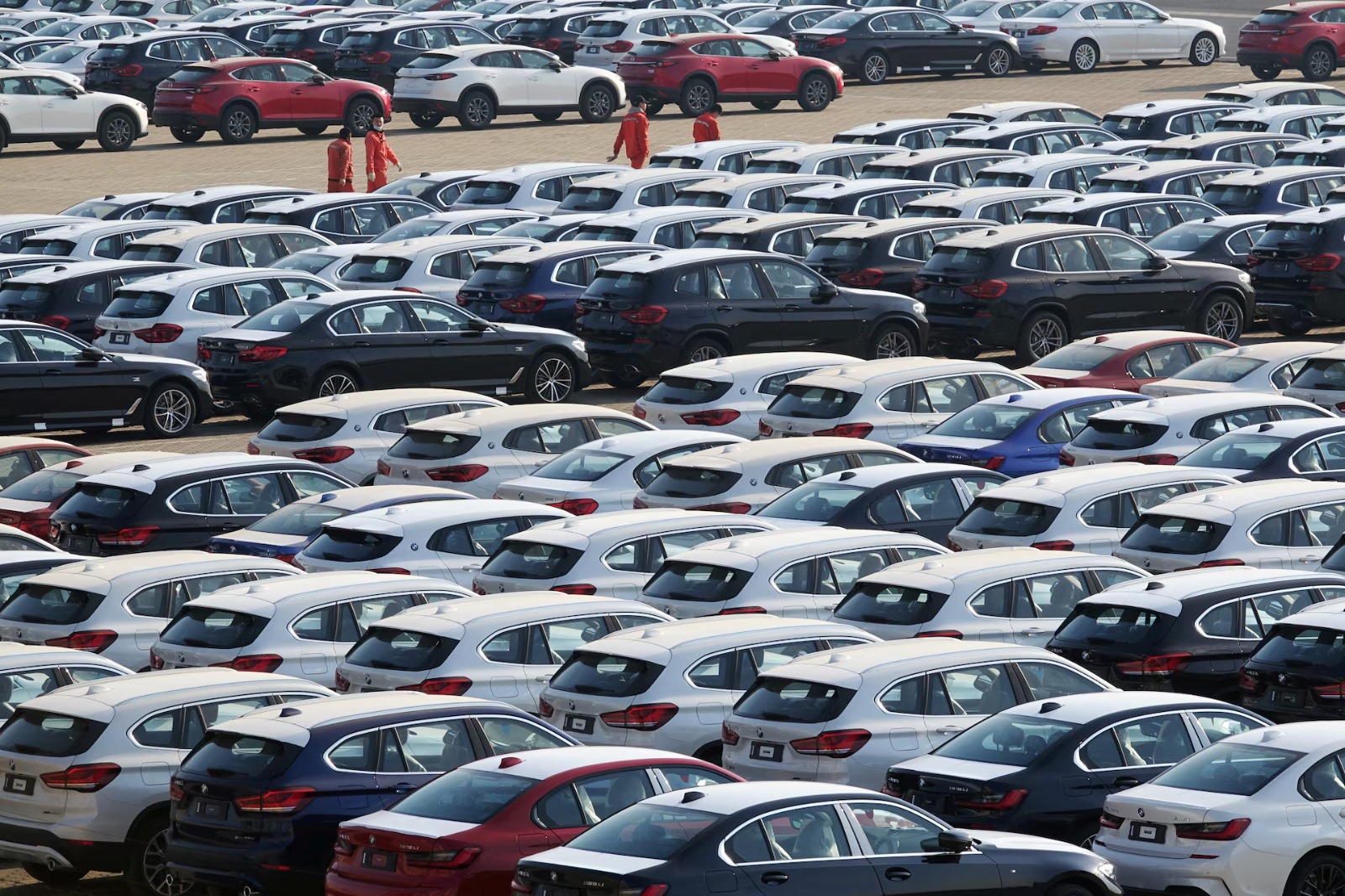
Dealers are also facing mounting inventory pressure, with growing numbers of unsold vehicles, particularly as consumers show less interest in buying new EVs after subsidy cuts and the end of purchase tax exemptions.
Despite these challenges, electric vehicles and new energy vehicles accounted for 51% of total car sales in China during March 2026.
As for BYD, the company reported its seventh consecutive month of declining sales in the Chinese market, amid a 14.4% year-on-year drop in EV and plug-in hybrid sales.
However, BYD continues to perform strongly in overseas markets, especially in Europe, where rising fuel prices have boosted EV demand. The company expects its overseas sales to exceed 1.5 million vehicles in 2026.

