The global auto industry is starting to face a less glamorous side of the artificial intelligence boom.
After pouring billions of dollars into AI, advanced computing and automation, major carmakers are discovering that the financial rewards may take much longer to arrive than many expected. The technology is advancing quickly, but turning those investments into meaningful profits is proving far more difficult.
That challenge comes at a particularly difficult time for the industry. Automakers are still dealing with supply chain pressure and competition for advanced chips, often going head to head with some of the world’s biggest technology companies. At the same time, executives are under growing pressure to justify massive technology budgets without seeing immediate returns.

Are Automakers Spending Too Much on AI?
AI investment across the automotive industry generally falls into three major areas, and the results so far are mixed.
Showrooms and Digital Sales
Dealerships have been among the fastest adopters of AI tools, especially chatbots and automated sales systems designed to communicate with customers and streamline the buying process.
More than 80 percent of dealers reportedly use some form of intelligent automation, yet only around 20 percent have seen a direct improvement in profits.
There have also been some embarrassing failures. Automated systems have occasionally produced incorrect offers or advertised vehicles at unrealistically low prices, creating headaches for both dealers and their public relations teams.
Manufacturing and Quality Control
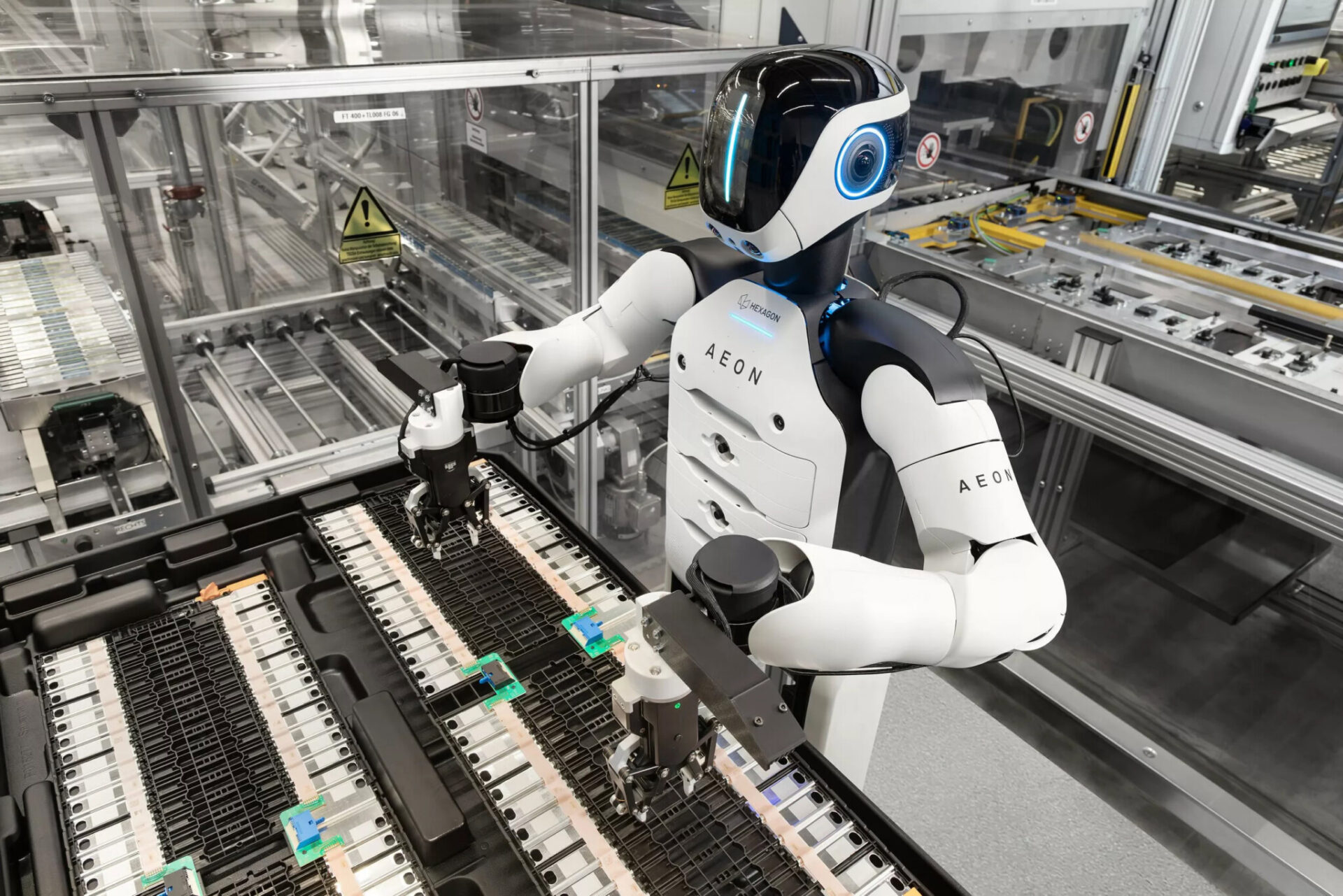
Inside factories, however, AI is showing much clearer benefits.
Nissan, for example, uses intelligent algorithms to improve production efficiency and manage parts distribution more accurately. Other manufacturers are relying on AI powered cameras to identify paint defects, assembly problems and structural imperfections before a vehicle leaves the factory.
In this environment, the technology is not replacing the entire production process. Instead, it is helping factories catch problems earlier and operate more efficiently.
Engineering Before Production Begins
AI is also becoming increasingly important during vehicle development.
Ford and other manufacturers use large scale simulations and data analysis to predict how engines and mechanical components will perform under different conditions. That allows engineers to identify weaknesses and reduce the risk of failures before physical production even begins.

The Human Element Still Matters
The rise of AI is also changing the kind of talent automakers need.
Demand for software engineers and technicians with digital expertise continues to grow, while traditional factory workers are increasingly concerned about what automation could mean for their jobs.
At the same time, practical experience has shown that sophisticated software cannot solve every problem. In complex areas of engineering, design and manufacturing, experienced technicians and engineers remain essential, particularly when unexpected mechanical issues appear during development or production.
AI may be able to process enormous amounts of data, but it still works best when combined with people who understand the machinery itself.
ArabGT Opinion
Artificial intelligence is becoming an important part of the automotive industry, but treating it as a quick solution to every problem is unrealistic.
The biggest winners are unlikely to be the companies that simply spend the most money on AI. They will be the manufacturers that know where the technology genuinely improves efficiency, quality and vehicle development, while continuing to rely on experienced engineers and technicians where human judgment still matters.
AI can become a powerful tool for the industry, but for now, it remains exactly that: a tool.

What Do You Think?
Do smarter systems and increasingly software driven cars improve reliability, manufacturing quality and the overall ownership experience, or are modern vehicles becoming too complicated?
Share your thoughts through the ArabGT app, available on the Apple App Store and Google Play, and join the Arab world’s automotive community.