

Finding a truly affordable new car in the United States has already become difficult, but it may soon get even harder. Several foreign automakers are reportedly warning that some of their cheapest models could disappear from the American market if North America’s key trade agreement is not renewed in a way that reduces current tariff pressure.

At the center of the issue is the upcoming review of the USMCA agreement between the United States, Canada, and Mexico. Carmakers are said to be pushing for a renewed deal that lowers tariffs on vehicles and components built across the region, arguing that without it, entry-level cars may no longer be financially viable.
The challenge goes beyond imported vehicles. Even cars assembled inside the U.S. often rely heavily on parts sourced from Canada and Mexico. If those components remain expensive due to tariffs, automakers may be forced to raise prices or discontinue lower-cost models entirely.
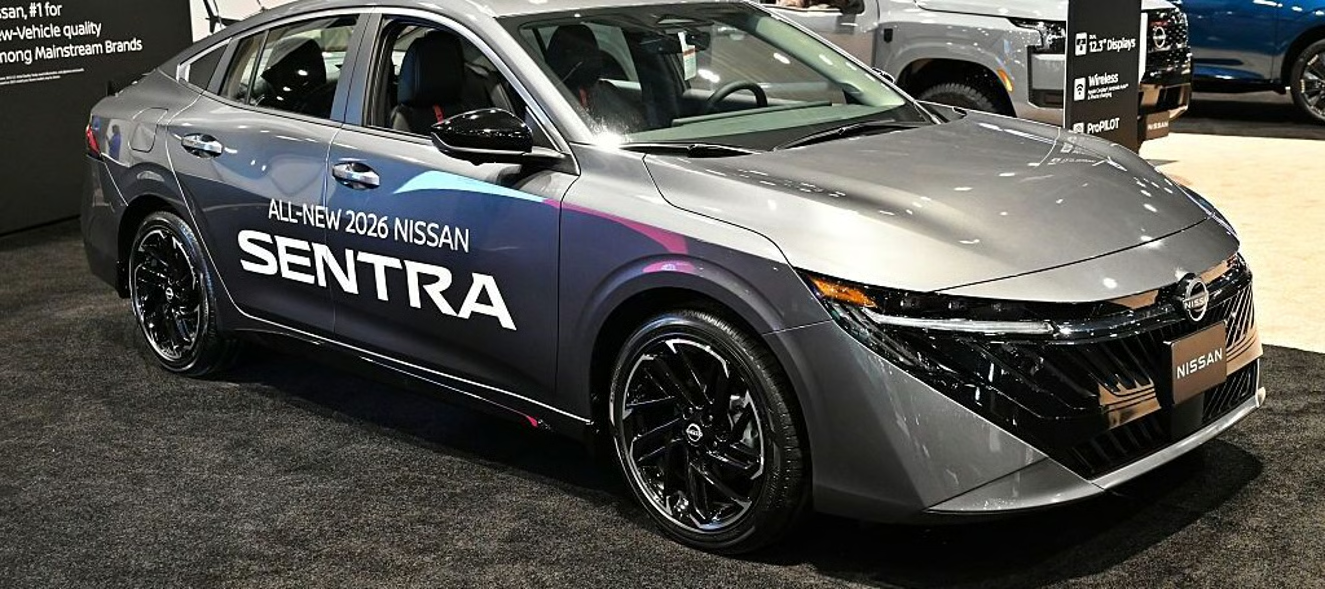
That would come at a time when affordable cars are already disappearing. Only a small number of new vehicles remain on sale in America for under $25,000, and some may not be around much longer. Models such as the Nissan Versa and Kia Soul are facing uncertain futures, while Hyundai has yet to confirm whether the next-generation Venue will continue in the U.S.
Over the last decade, rising production costs, stricter regulations, and changing consumer preferences have already pushed many budget-friendly cars out of showrooms. Trade uncertainty now threatens to accelerate that trend even further.

For many American buyers, especially working families, the loss of affordable new cars would be more than just bad news. Reliable entry-level vehicles often offer the lowest ownership risk, thanks to warranties, better fuel economy, and fewer maintenance surprises. Without them, more people could be pushed into an already expensive used-car market.
The broader concern is clear: North America’s auto industry is deeply connected, and disruptions in one part of the system quickly affect the rest. If no practical solution is reached, low-cost transportation in the U.S. may become even harder to access—and affordable new cars could continue fading into history.

