Porsche appears to be considering the launch of a new gasoline-powered Porsche SUV, a move that could mark a significant shift in its electrification strategy.
The Macan, introduced in 2014, has been a major financial success for Porsche, selling over 800,000 units and solidifying its place as one of the brand’s best-selling models. It followed the footsteps of the Cayenne, which debuted in 2002 and redefined the luxury SUV market. Now, reports suggest Porsche is planning to introduce another gasoline-powered Porsche, despite its previously announced transition toward an all-electric lineup.
Porsche’s Strategy: Adapting to Market Realities
Although the company initially set a goal for 80% of its sales to be fully electric by 2030, alongside a planned phase-out of gasoline engines, shifting market conditions have prompted a reevaluation. Slower-than-expected EV sales in 2024 have shown that demand for gasoline-powered Porsche models remains strong, particularly in regions where electric vehicle infrastructure is limited.
A new gasoline-powered Porsche SUV could help the brand maintain its competitive edge while continuing to invest in electrification.
Why a New Gasoline-Powered Porsche SUV Makes Sense
Consumer Demand for Gasoline Models
Despite the rising popularity of electric vehicles, gasoline-powered Porsche SUVs remain highly desirable in many markets. Several factors contribute to this demand:
- Sporty driving dynamics that align with Porsche’s brand identity
- Greater towing capacity for customers who require versatility
- Long-distance travel convenience without reliance on charging stations
A new gasoline-powered Porsche SUV would allow the brand to continue serving these consumers while expanding its model lineup.
Expanding Porsche’s SUV Portfolio
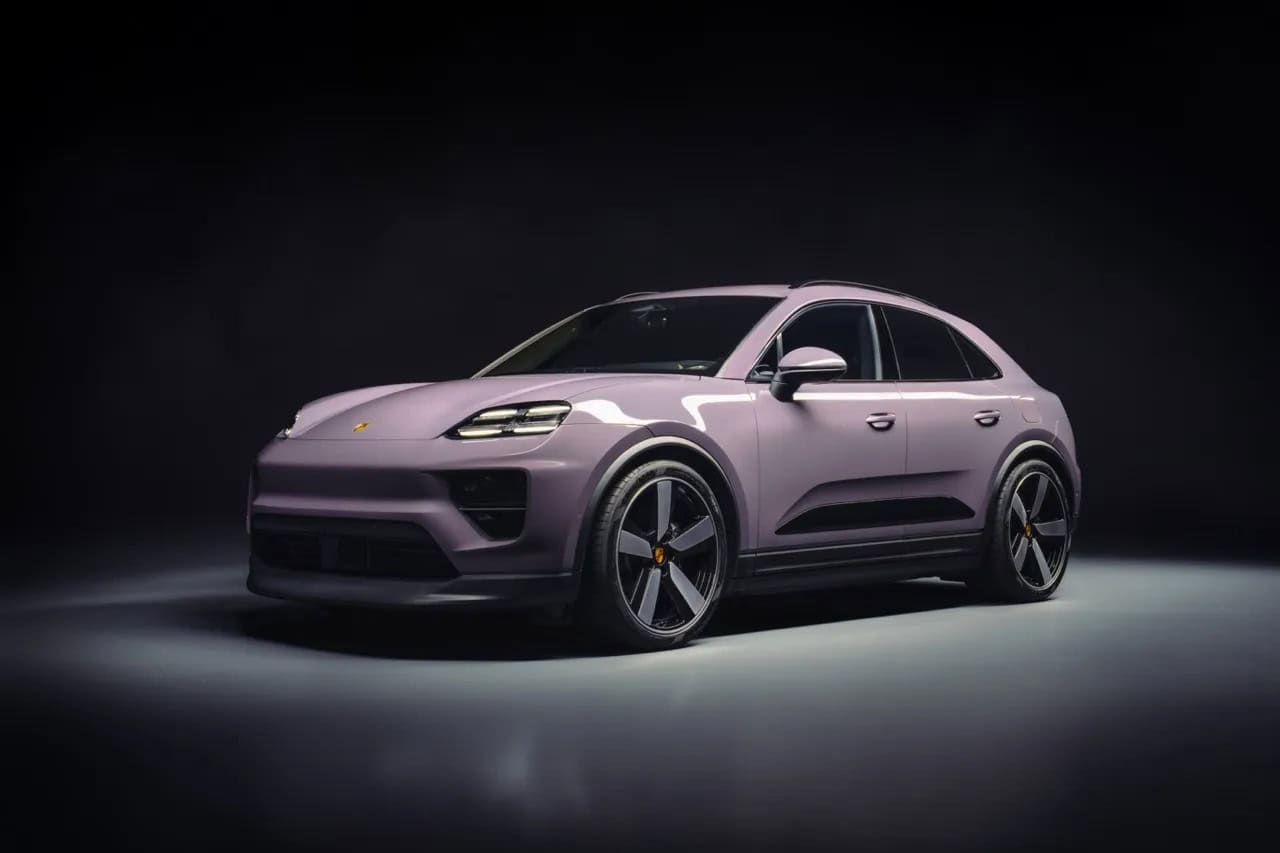
Porsche already offers a diverse SUV lineup, including the Cayenne, Macan, and the electric Macan EV, but there is room for a new gasoline-powered Porsche targeting a niche market. Possible directions for this model include:
- A larger three-row SUV, which Porsche has previously been rumored to develop
- A luxury-focused SUV that offers an even more premium experience
- A rugged, off-road-ready model, blending performance with adventure capability
Each of these possibilities would ensure that a gasoline-powered Porsche SUV remains relevant to a broad spectrum of buyers.
A Transition Model Toward Electrification
While Porsche remains committed to an electric future, introducing a gasoline-powered Porsche could serve as a transition vehicle for customers who aren’t ready to switch to EVs. The new model might even feature plug-in hybrid technology (PHEV), offering both fuel efficiency and Porsche’s signature performance.
Profitability and Brand Sustainability
Gasoline models continue to be highly profitable, and revenue from a gasoline-powered Porsche SUV could fund Porsche’s future electrification projects. Maintaining a strong presence in the gasoline vehicle segment ensures that Porsche can continue to invest in cutting-edge EV technologies while keeping traditional enthusiasts engaged.

What to Expect from a New Gasoline-Powered Porsche SUV
Although details remain scarce, any gasoline-powered Porsche SUV would likely incorporate:
- Turbocharged V6 or V8 engines for maximum performance
- Hybrid technology to enhance efficiency while maintaining power
- Advanced chassis dynamics for superior handling and driving engagement
Porsche’s Balancing Act: Performance, Regulations, and Market Trends
The introduction of a new gasoline-powered Porsche underscores the challenges automakers face in navigating regulatory pressures, sustainability goals, and shifting consumer preferences. While the company continues to invest in electrification, a gasoline-powered Porsche SUV would ensure Porsche retains its performance-driven identity while meeting the evolving needs of its global customer base.